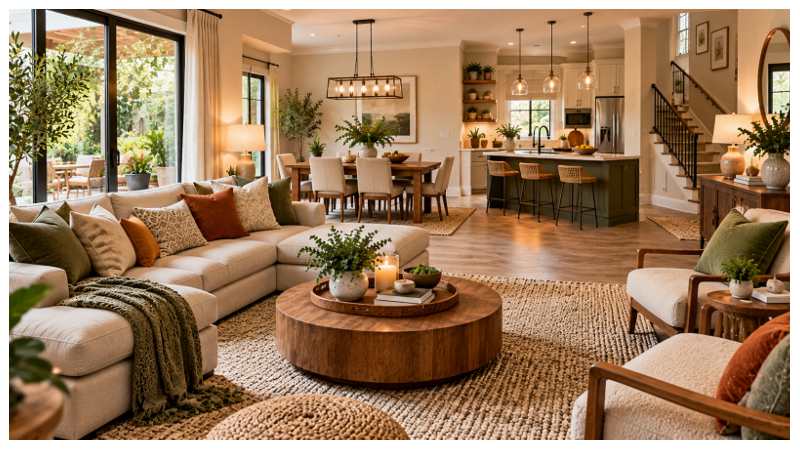
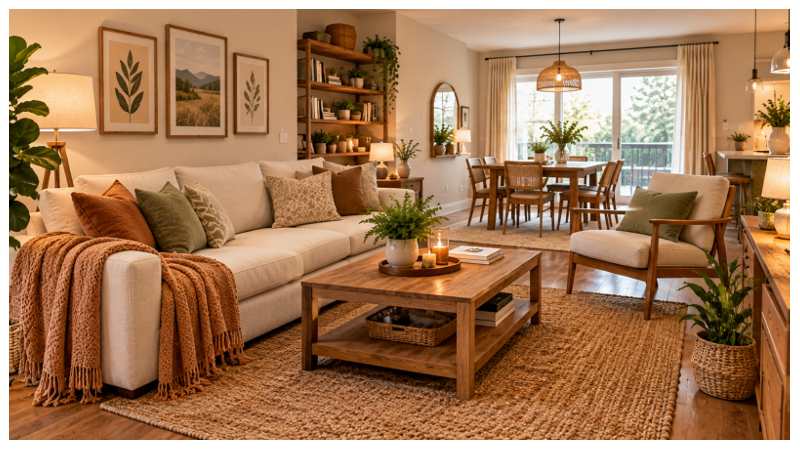
A cozy home is created through thoughtful details rather than expensive decorations. Comfortable furniture, inviting colors, layered textures, useful storage, warm lighting, and personal accessories can completely change the atmosphere of a room. Even small updates can make everyday spaces feel more relaxing and welcoming.
Blog Home Ideas Thehometrotters for Cozy Homes brings together practical decorating inspiration for different areas of your house. Whether you are refreshing one room or gradually updating your entire home, these ideas can help you create interiors that feel comfortable, organized, stylish, and personal.
1. Simple Ideas to Create a Cozy Home
Start by considering how you actually use each room. A thoughtfully designed home should look inviting while remaining practical and comfortable for everyday life. Rearrange furniture so that walking paths remain clear and seating encourages conversation.
Soft textiles are an easy way to introduce comfort. Add cushions, blankets, curtains, rugs, and fabric accessories where appropriate. These layers can make hard surfaces feel softer and give rooms more visual depth.
Personal belongings also contribute to a cozy atmosphere. Display photographs, books, artwork, souvenirs, or handmade pieces that have meaning to you. Instead of decorating every available surface, choose a few items that genuinely add character.
Keeping clutter under control is equally important. A room with too many objects can feel stressful even when the decorations are attractive. Remove unnecessary items and give frequently used belongings a practical storage location.
2. Warm and Inviting Living Room Ideas
The living room is often the heart of a home, making comfort especially important. Arrange the main seating around a natural focal point such as a coffee table, fireplace, television, or artwork.
A well-chosen sofa can serve as the room’s central anchor, bringing together comfort, style, and the surrounding decor. Add cushions in complementary colors and a soft throw for additional warmth. An area rug can visually connect the furniture while making the floor more comfortable.
Use side tables or a coffee table to keep books, drinks, and decorative items within reach. Avoid overcrowding these surfaces because open space helps the room feel calmer.
For larger living rooms, create separate zones. One area can be dedicated to conversation while a corner near a window can become a reading space. This approach makes a large room feel more purposeful and intimate.
3. Comfortable Bedroom Decorating Ideas
A cozy bedroom should encourage relaxation. Begin with comfortable bedding and choose colors that create a peaceful mood. Soft neutrals, muted greens, warm beige, dusty blue, and gentle earthy tones can work particularly well.
Layer the bed with pillows and blankets without making it difficult to use. A textured throw placed at the end of the bed can provide an attractive finishing detail.
Lighting is also important. Bedside lamps provide softer illumination than relying entirely on an overhead fixture. Choose lighting that makes evening routines comfortable.
Keep bedside tables relatively uncluttered. A small lamp, book, decorative tray, or personal photograph may be enough. Good organization can make the entire bedroom feel calmer.
4. Cozy Kitchen Ideas for Everyday Living
A cozy kitchen should combine warmth with practicality. Since kitchens are working spaces, avoid adding decorations that interfere with cooking, cleaning, or food preparation.
Wooden accessories, woven baskets, ceramic dishes, fabric runners, and attractive storage containers can add character. Open shelves can be used to display a few favorite mugs, plates, bowls, or decorative pieces.
Keep countertops organized by storing rarely used appliances away when possible. Frequently used items should remain accessible but arranged neatly.
If your kitchen has an island or breakfast counter, comfortable stools can create a casual gathering spot. Even a small seating area can make the kitchen feel more connected to everyday family life.
5. Welcoming Dining Area Ideas
A dining area should feel comfortable enough for both everyday meals and special occasions. Choose chairs that provide proper support and leave sufficient space around the table.
A simple centerpiece can give the table a finished appearance. Try a vase with greenery, a decorative bowl, candles, or a seasonal arrangement.
Table runners and placemats are easy ways to introduce texture and color. Choose shades that connect with the surrounding room for a coordinated appearance.
Lighting above the dining table can also help define the space. A well-positioned fixture can create a pleasant focal point while providing practical illumination during meals.
6. Relaxing Bathroom Decor Ideas
Bathrooms can feel cozy too, even though they are usually smaller than other rooms. Soft towels, comfortable bath mats, coordinated containers, and natural accessories can make the space more inviting.
Use baskets to organize spare towels or everyday products. Keeping bottles and personal items under control can make a small bathroom appear more spacious.
A framed mirror, simple artwork, or a small plant can add personality. If natural greenery is not suitable for the available conditions, botanical artwork can provide a similar visual effect.
Choose materials that are appropriate for humid environments, and make sure decorative pieces do not interfere with cleaning or ventilation.
7. Warm Colors for a Comfortable Home
Color has a strong influence on how an interior feels. Warm neutrals such as cream, beige, sand, taupe, and soft brown provide versatile foundations for cozy decorating.
You can introduce stronger colors through smaller details. Muted terracotta, olive green, warm blue, or earthy orange can add personality without overwhelming the room.
Rather than using many unrelated shades, select a small palette and repeat it throughout the space. For example, warm beige walls can be complemented by brown furniture, cream textiles, and muted green accessories.
Remember that lighting affects color. Test paint samples under both natural and artificial light before committing to a large area.
8. Rugs, Cushions, and Throws for Extra Comfort
Textiles are among the easiest ways to make a room feel warmer. A rug can soften a hard floor while visually defining a seating or dining area.
Cushions allow you to experiment with color and patterns without making permanent changes. Mix different sizes and textures while keeping the overall color palette coordinated.
Throws can be placed across sofas, chairs, or the end of a bed. Knitted, woven, or textured materials can add visual interest and make furniture look more inviting.
Avoid using too many patterns at once. Combining one noticeable pattern with simpler textures often creates a more balanced appearance.
9. Furniture Ideas for Cozy Interiors
Furniture should be selected according to the size of the room and the way you use it. Before purchasing anything, measure available floor space and consider doorways, windows, and walking routes.
Comfortable seating is essential in living rooms and bedrooms. Rounded furniture shapes can sometimes create a softer visual effect, while wooden pieces can introduce natural warmth.
Multifunctional furniture is useful in smaller homes. Storage ottomans, benches, nesting tables, and shelving units can combine practical functions with attractive design.
Furniture does not have to come from one matching collection. Mixing complementary styles can create a more personal interior as long as the pieces share some common colors, materials, or proportions.
10. Lighting Ideas for a Warm Atmosphere
Lighting can transform the appearance and mood of a room. Instead of relying on one ceiling fixture, combine several sources at different heights.
Table lamps work well beside sofas and beds, while floor lamps can illuminate reading corners. Wall lights can provide useful illumination without occupying floor space.
Use brighter task lighting where detailed activities take place, such as kitchens, desks, or bathroom mirrors. Softer ambient lighting can be used in relaxation areas.
During the day, make good use of natural light. Keep windows reasonably clear and choose curtains or blinds that provide privacy while allowing suitable daylight into the room.
11. Natural Elements That Bring Warmth Indoors
Natural materials can make interiors feel grounded and welcoming. Wood is especially versatile and can be introduced through furniture, shelves, trays, frames, or decorative accessories.
Plants provide color and texture while creating a connection with the outdoors. Place suitable plants on shelves, windowsills, side tables, or in empty corners.
Woven baskets, stone-inspired accessories, linen-like fabrics, and natural-looking ceramics can complement greenery and wooden furniture.
You do not need to fill every room with plants. A few thoughtfully positioned natural elements can have a stronger effect than excessive decoration.
12. Creative Wall Decor for Cozy Rooms
Walls provide an excellent opportunity to add personality without taking up floor space. Choose artwork that reflects your interests or complements the room’s color palette.
A gallery wall can combine photographs, illustrations, prints, and decorative pieces. To maintain a cohesive appearance, repeat similar frame colors or use a consistent theme.
Large artwork can become a focal point above a sofa, bed, or dining table. Mirrors can also make smaller spaces feel brighter and more open.
Floating shelves provide both decoration and storage. Display books, small plants, photographs, and selected accessories while leaving some empty space between objects.
13. Smart Storage Ideas for a Neat Home
Organization is an important part of cozy decorating. Too much clutter can make even a beautifully designed room feel uncomfortable.
Use baskets, boxes, drawers, cabinets, and shelves according to what needs to be stored. Keep frequently used items accessible and less frequently used belongings tucked away.
Take advantage of vertical space in smaller rooms. Tall shelving can provide additional storage without taking up much floor area.
Storage furniture can also become part of the decor. A stylish cabinet, woven basket, or storage bench can hide everyday clutter while contributing to the room’s overall appearance.
14. Affordable Ways to Refresh Your Home
You do not need a large budget to make noticeable improvements. Start by rearranging your existing furniture and accessories.
Changing cushion covers, moving artwork, switching decorative pieces between rooms, or restyling shelves can create a surprisingly different appearance.
Paint can also make a significant difference. A carefully selected accent wall or refreshed room color can change the atmosphere without requiring new furniture.
Consider secondhand furniture and decor when suitable. A good-quality older piece can sometimes become an attractive feature after cleaning, repairing, or updating its finish.
15. Easy DIY Ideas for a Personal Touch
DIY projects can make your home feel more individual. Simple ideas include creating artwork, decorating picture frames, customizing storage boxes, or refreshing old furniture.
Repurposing items is another practical approach. An unused container can become decorative storage, an old frame can be transformed into wall art, or a suitable wooden box can become a shelf.
Start with projects that match your skills and available time. Follow product instructions carefully when using paint, adhesives, tools, or other materials.
The purpose of DIY decorating is not to make everything yourself. Even one handmade feature can give a room a distinctive personality.
16. Minimalist Ideas for a Warm Interior
Minimalism can work beautifully with cozy decorating when it focuses on intentional choices rather than an empty appearance.
Remove objects that are no longer useful or meaningful. Keep the furniture and accessories that genuinely contribute to comfort, function, or visual appeal.
Use a limited color palette and introduce warmth through textiles, wood, plants, artwork, and soft lighting.
Leave some open space around furniture and accessories. This allows important pieces to stand out and makes cleaning easier.
A warm minimalist room should feel calm and practical while still reflecting the personality of the people who live there.
17. Seasonal Decor Ideas for Every Home
Seasonal decorating can refresh your interior throughout the year. You do not need to replace permanent furniture; simply change smaller accessories.
During spring and summer, lighter fabrics, fresh greenery, and brighter accents can create an airy atmosphere. In autumn and winter, introduce thicker blankets, textured cushions, deeper earthy shades, and warmer lighting.
The entryway, dining table, living room, and bedroom are easy places to introduce seasonal touches.
Store seasonal decorations carefully so they can be reused. This saves money and prevents unnecessary accumulation of items.
18. Common Decorating Mistakes to Avoid
One common mistake is purchasing furniture without measuring the room. Always check dimensions and consider how people will move around the furniture.
Another problem is using too many colors or patterns. A coordinated palette generally creates a more relaxing appearance.
Avoid filling every wall, shelf, or tabletop with decorations. Empty space is useful because it gives the eye somewhere to rest.
Poor lighting can also affect the final result. A room may look attractive during daylight but feel uncomfortable at night if there are not enough suitable light sources.
Finally, do not choose a style simply because it is trending. Your home should reflect your lifestyle, comfort needs, and personal preferences.
19. Final Tips for a Cozy and Welcoming Home
Creating a cozy home does not require a complete renovation. Focus on the details that have the greatest effect on everyday comfort: furniture placement, lighting, color, textiles, organization, and personal accessories.
Start with one room and make gradual changes. Rearrange what you already own before purchasing something new. Add texture through rugs, cushions, and throws, then introduce natural materials and meaningful decorative pieces.
Keep clutter under control and make sure storage works with your daily routine. Choose colors and furniture that make the space feel comfortable rather than simply following temporary design trends.
Most importantly, allow your home to develop naturally. A welcoming interior should tell the story of the people who live there through favorite objects, photographs, artwork, books, and other meaningful details.
With these Blog Home Ideas Thehometrotters for Cozy Homes, you can create spaces that are attractive, practical, organized, and comfortable. Small thoughtful changes can make everyday rooms feel warmer and more enjoyable without requiring a major decorating budget.