
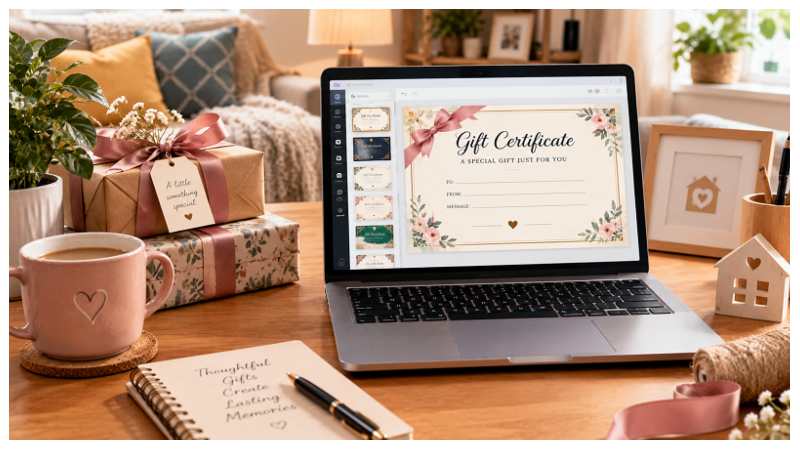
Finding the right gift for someone can sometimes be challenging. People have different tastes, interests, and preferences, so choosing a physical present may not always be easy. A personalized certificate offers a flexible alternative because it allows the recipient to enjoy a product, service, activity, or experience that suits them. With thoughtful planning, a certificate can feel personal rather than ordinary.
A well-designed certificate can also make a simple gesture more memorable. The design, wording, colors, and details all contribute to the overall impression. Whether it is being prepared for a friend, family member, customer, employee, or colleague, creating something carefully can show genuine thought and appreciation.
1. Choose the Purpose First
Before beginning the design, decide what the certificate will represent. It could be for a birthday, anniversary, holiday, graduation, employee reward, customer appreciation event, or thank-you gesture.
The purpose should influence the overall appearance. A birthday certificate might have a cheerful and colorful style, while a professional appreciation certificate could use a cleaner and more elegant design. Understanding the occasion makes it easier to select appropriate visual elements.
2. Decide What the Recipient Gets
The certificate should clearly explain what the recipient is receiving. This could be a meal, shopping opportunity, beauty service, class, entertainment experience, or another special activity.
If the certificate represents a monetary amount, display the value prominently. When it represents a specific service, provide a short description so there is no confusion about what is included.
Thinking about the recipient’s interests is equally important. A personalized experience often feels more valuable than a generic present.
3. Build a Balanced Design
A gift certificate maker can help organize the main elements of a certificate while giving you flexibility to personalize its appearance. Instead of filling the page with excessive decorations, focus on creating a balanced layout.
The main heading should be easy to notice, while the recipient’s name and gift details should also receive sufficient attention. Leave enough empty space between sections so the design remains comfortable to read.
Borders, icons, shapes, and images can add character, but they should support the main message rather than distract from it.
4. Select Appropriate Colors
Colors have a strong influence on how a certificate feels. Bright colors may create a fun and energetic appearance, while neutral shades can produce a sophisticated and professional impression.
Try to use a small selection of complementary colors. Consistent color choices can make the entire design look more polished and intentional.
5. Use Readable Typography
Typography is another important part of certificate design. The heading can use a stylish font, but essential information should remain highly readable.
Names, dates, values, expiration details, and redemption instructions should use clear lettering. Avoid using too many different fonts because this can make the certificate appear cluttered.
6. Add a Meaningful Message
A personal message can make a certificate much more memorable. Include the recipient’s name and write a short sentence that reflects the reason for the gift.
For example, you might congratulate someone on an achievement, thank them for their support, or wish them happiness on a special occasion. A few sincere words can make the certificate feel considerably more personal.
7. Include Important Information
Before completing the design, make sure all necessary details are present. These may include the recipient’s name, certificate value, issue date, expiration date, redemption instructions, issuer information, and applicable conditions.
Information should be written clearly and positioned where it can easily be found. If there are restrictions, explain them in straightforward language.
8. Review Before Giving
Always proofread the finished certificate before printing or sharing it digitally. Check names, dates, spelling, numbers, and contact information carefully.
It is also useful to review the certificate from the recipient’s perspective. Ask whether the purpose is immediately clear and whether the important details are easy to find.
Conclusion
Creating a personalized certificate is an effective way to make a gift feel thoughtful and unique. By selecting an appropriate design, organizing information carefully, choosing suitable colors, and adding a personal message, you can create something that combines usefulness with creativity.
A certificate does not need to be complicated to make an impression. When its design reflects the occasion and the recipient, it can become a meaningful reminder of a special moment and the thought behind the gift.