Great home décor is less about copying a picture from a magazine and more about understanding what makes a space feel right. A home can be stylish without looking formal, expensive, or overly decorated. The most appealing interiors usually combine comfort, personality, useful design, and a few carefully selected details.
Trisha Thehometrotters: Stylish Home Decor Tips explores practical ways to give ordinary rooms more character while keeping them comfortable for everyday life. From choosing furniture and colors to improving lighting and organizing clutter, small decisions can gradually create a home that feels polished and personal.
1. Simple Decor Ideas for a Stylish Home
Before buying new decorations, take a fresh look at the things you already have. Sometimes a room needs better arrangement rather than more accessories. Move furniture away from walls where appropriate, clear unnecessary objects, and create a natural flow between different areas.
Choose a decorating direction that suits your personality. You might prefer warm contemporary interiors, relaxed rustic details, modern simplicity, or a mixture of several influences. Having a general direction makes future decorating decisions much easier.
Another useful approach is to repeat certain elements. Similar wood tones, complementary fabrics, or recurring accent colors can connect different parts of the home without making everything identical.
Leave some surfaces intentionally open. Empty space gives attractive furniture and decorations room to stand out instead of competing for attention.
2. Living Room Decor Tips for a Fresh Look
A living room should welcome people rather than simply provide an attractive background. Begin by arranging seating according to how the room is actually used. If conversations are common, position chairs and sofas so people can comfortably face one another.
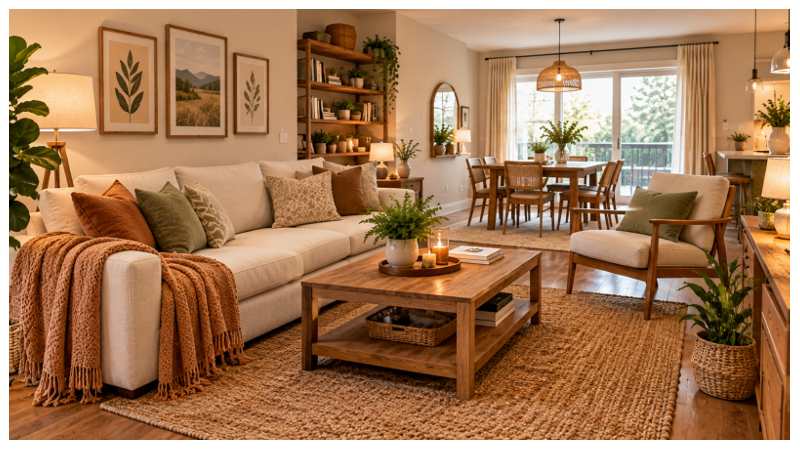
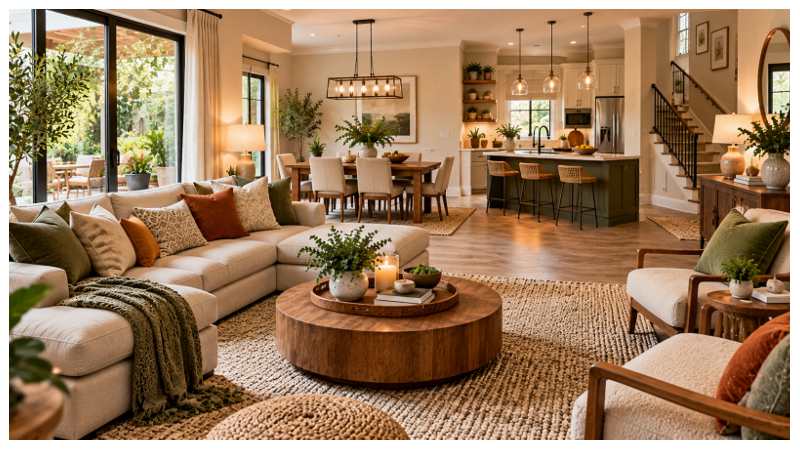
An area rug can help establish the main seating zone, particularly in an open-plan room. Make sure its size is appropriate so that at least some of the main furniture relates visually to it.
Refresh a familiar sofa with a new combination of cushions. Instead of choosing identical designs, combine different shapes and materials within a coordinated palette.
A small side table, reading lamp, artwork, or decorative bowl can add useful personality. Avoid turning every surface into a display area because visual breathing room makes the room feel more refined.
3. Bedroom Decor Ideas for Comfort and Style
The bedroom should be one of the easiest places in the home to relax. Start with bedding that feels good rather than choosing it purely because it looks attractive.
Build a comfortable layered arrangement with sheets, a duvet or quilt, a few supportive pillows, and a lightweight throw. Choose fabrics that suit the season so the room remains practical throughout the year.
Color also affects the atmosphere. Soft neutrals and subdued shades can create a restful backdrop, while a deeper accent color can add sophistication through curtains, cushions, artwork, or a headboard.
Keep electronics and unnecessary objects under control. A tidy bedside area can make the entire bedroom feel more peaceful.
For an inexpensive transformation, change the artwork, bedding, curtains, or bedside lighting rather than replacing the complete furniture set.
4. Kitchen Decor Tips for a Beautiful Space
The kitchen has to work hard, so decoration should never make everyday tasks difficult. Concentrate on items that combine usefulness with visual appeal.
A wooden chopping board, ceramic serving pieces, woven storage baskets, or attractive jars can bring warmth to a practical kitchen. Display only the items that you use or genuinely enjoy looking at.
If you have open shelving, create rhythm by mixing stacks of dishes with a few decorative objects. Avoid packing shelves from edge to edge.
Countertops usually look better when larger appliances and rarely used equipment are stored away. Keep the items you reach for regularly within easy access.
For a quick update, consider replacing cabinet handles, adding a washable runner, changing lighting, or introducing coordinated kitchen textiles.
5. Dining Room Ideas for an Elegant Setting
An elegant dining space does not need an elaborate centerpiece or expensive furniture. Proportion and presentation usually matter more.
Choose a dining table that leaves enough room for chairs to move comfortably. The table should feel appropriately sized for both the room and the number of people who normally use it.
For the centerpiece, think beyond traditional flower arrangements. A low ceramic vessel, collection of candles, seasonal branches, or simple greenery can create an attractive focal point without blocking conversation.
Use table linens selectively. A textured runner can provide enough visual interest without covering the entire table.
If possible, give the dining area dedicated lighting. A pendant positioned over the table can visually define the eating zone and create a warmer atmosphere in the evening.
6. Bathroom Decor Tips for a Relaxing Feel
A bathroom can feel more luxurious through organization and thoughtful details rather than expensive remodeling.
Start by reducing countertop clutter. Use trays, baskets, drawers, or coordinated containers to group everyday products.
Soft towels can add both comfort and color. Choose two or three related shades rather than introducing too many unrelated colors.
Mirrors are another useful design feature. A well-proportioned mirror can become a focal point while making the room appear brighter and more spacious.
Add personality through suitable artwork, ceramics, or greenery. However, remember that bathrooms experience moisture, so choose materials and plants that can handle the environment.
A clean, organized bathroom often feels more sophisticated than one filled with decorative accessories.
7. Choosing the Right Colors for Your Home
Color decisions become easier when you consider the entire home rather than treating every room as an unrelated project.
Start with a few foundation shades that can appear in multiple areas. Cream, warm white, beige, soft gray, or natural wood tones can provide a flexible base.
Then introduce personality with selected accent colors. Terracotta, olive, muted blue, warm mustard, or dusty pink can be used through smaller decorative pieces.
Pay attention to how much sunlight a room receives. A color that appears soft and warm in a bright room may look considerably different in a darker space.
Sample paint before covering an entire wall. Observe it at different times of day because natural and artificial lighting can change its appearance significantly.
8. Furniture Selection Tips for Stylish Interiors
Furniture is one of the biggest investments in a home, so choose pieces based on real needs rather than temporary trends.
Measure both the room and the furniture before purchasing. Remember to account for doors, windows, radiators, outlets, and comfortable walking space.
Consider visual weight as well. A bulky sofa can dominate a compact room, while very small furniture can look lost in a large space.
Mixing materials can create a richer interior. A wooden table paired with upholstered seating and metal or glass accents can feel more interesting than a room where everything has the same finish.
Whenever possible, choose versatile pieces that can work if your layout changes later.
9. Lighting Ideas That Transform Your Decor
Good lighting can make an ordinary room look dramatically better. Instead of asking which single fixture should illuminate the space, think about several different lighting layers.
General lighting provides overall visibility. Task lighting helps with specific activities such as reading, preparing food, or working. Accent lighting draws attention to artwork, shelves, architectural details, or decorative features.
Floor lamps are useful for dark corners, while table lamps can make sofas, consoles, and bedside areas feel warmer.
Consider the color temperature of your bulbs as well. Softer illumination generally creates a more relaxed evening environment, while brighter light is useful for focused tasks.
During the day, use curtains and blinds in a way that allows suitable natural light into the room without compromising privacy.
10. Wall Decor Ideas to Add Personality
Blank walls can make a room feel unfinished, but decorating every available surface can have the opposite effect. The key is choosing pieces that have the right scale and meaning.
A large artwork can create a strong focal point above a sofa or console. Smaller pieces can be grouped together to form a gallery wall.
For a cohesive gallery, repeat one or two characteristics such as frame color, artwork theme, or accent shade. The pieces do not need to match perfectly.
Mirrors are useful when you want to reflect natural light or make a compact room feel more open.
Floating shelves can also combine decoration and function. Arrange books, small plants, photographs, and accessories with enough empty space to keep the display visually balanced.
11. Using Textures to Create Visual Interest
A room can have beautiful colors and furniture yet still feel flat if every surface has the same texture.
Introduce contrast through materials. Pair smooth surfaces with woven fabrics, soft upholstery with harder wood, or polished finishes with handmade-looking ceramics.
Textiles are particularly useful because they can be changed easily. A textured rug, knitted throw, linen-style curtains, or patterned cushion can add depth without requiring structural changes.
Try repeating a few textures in different areas of the room. This creates continuity while preventing the design from becoming predictable.
The objective is not to use as many materials as possible. A carefully controlled mixture usually looks more sophisticated.
12. Natural Elements for a Fresh Interior
Bringing natural features indoors can soften modern interiors and make rooms feel more welcoming.
Wood is an easy starting point. It can appear through furniture, picture frames, shelves, trays, or smaller decorative objects.
Plants can provide living color and help fill awkward corners. Select varieties according to the light conditions and the amount of maintenance you can realistically manage.
Natural-looking baskets, stone accessories, clay ceramics, and woven materials can add further character.
You can also use views of the outdoors as part of the décor. Keep suitable windows visually clear and arrange furniture so that attractive outdoor scenery becomes part of the room.
13. Smart Storage Ideas That Look Beautiful
Beautiful décor becomes much easier to appreciate when everyday clutter is under control.
Instead of creating storage after a room becomes messy, identify where clutter tends to accumulate. An entrance may need a place for keys and bags, while a living room might benefit from hidden storage for blankets, books, or electronics.
Use furniture that performs more than one job. Storage benches, ottomans with compartments, shelving units, and cabinets can keep belongings accessible without leaving everything visible.
Vertical storage is particularly valuable in compact rooms. Tall shelving can use wall height while preserving precious floor space.
Keep frequently used items easy to reach. Organization works best when putting something away is just as convenient as leaving it out.
14. Budget-Friendly Ways to Update Your Decor
A stylish home does not depend on constantly purchasing new things. Start by making better use of what you already own.
Try rotating accessories between rooms. A lamp, vase, artwork, or chair may look completely different when placed somewhere else.
Changing soft furnishings can also provide a noticeable update. New cushion covers, curtains, rugs, or bedding can alter the color and mood of a room without replacing large furniture.
Paint is another powerful budget option. A carefully selected wall color can make old pieces feel fresh again.
When buying something new, prioritize pieces that solve a real problem or will remain useful for years. Quality and practicality often provide better value than frequent inexpensive purchases.
15. DIY Decor Ideas for a Personal Touch
Handmade details can make a home feel less generic. You do not need advanced crafting skills to create something attractive.
Try refreshing an old frame, painting a small piece of furniture, creating simple wall artwork, or customizing storage containers.
Repurposing can also produce useful décor. An old wooden item may become shelving, while an unused container might work as organized storage after a simple makeover.
Choose projects that fit your abilities and available tools. If sanding, painting, cutting, or using power tools, work in a suitable area and follow safety instructions.
A slightly imperfect handmade object can actually add charm because it gives the home a sense of individuality.
16. Minimalist Decor Tips for Modern Homes
Minimalism works best when it is based on intention rather than simply owning fewer possessions.
Ask whether each visible object is useful, meaningful, or genuinely attractive. If it does none of these things, consider storing, donating, or removing it.
Choose furniture with clean shapes and avoid unnecessary visual clutter. A limited palette can make different pieces feel connected.
Warmth can still be part of minimalist design. Add natural wood, soft fabrics, plants, artwork, and warm lighting so the room does not feel cold.
Give important objects enough space around them. A single beautiful vase on a clear console can often have more impact than ten small decorations crowded together.
17. Seasonal Decor Ideas to Keep Your Home Fresh
Seasonal decorating is an easy way to keep familiar rooms feeling new. The trick is to change small, removable details rather than redesigning the entire home.
During warmer months, lightweight fabrics, fresh greenery, lighter colors, and natural textures can create an airy mood.
As the weather becomes cooler, introduce deeper shades, heavier throws, textured cushions, candles, and warmer lighting.
Dining tables and entryways are particularly easy to update because a centerpiece or small arrangement can immediately signal a new season.
Keep seasonal items organized in labeled storage so decorating changes remain simple rather than becoming another source of clutter.
18. Common Home Decor Mistakes to Avoid
Buying furniture without measuring is one of the easiest ways to create an uncomfortable layout. Always check dimensions and think about how the room will function after the furniture arrives.
Another mistake is trying to make everything perfectly coordinated. A home usually feels more authentic when different materials, eras, and styles are thoughtfully combined.
Overdecorating is another common problem. Too many accessories can hide attractive furniture and make cleaning more difficult.
Ignoring lighting can also weaken an otherwise successful design. Make sure rooms have enough illumination for both everyday activities and relaxing moments.
Finally, avoid choosing every item because it is currently fashionable. Trends can provide inspiration, but your home should ultimately support your lifestyle and personal taste.
Final Tips for Creating a Stylish Home
Creating a stylish interior is an ongoing process rather than a single decorating project. Your home can change as your needs, preferences, and routines change.
Begin with the rooms that affect your everyday life most. Improve their layout, remove unnecessary clutter, introduce better lighting, and add comfortable textures.
Use color with purpose, select furniture according to scale, and bring personality through artwork and meaningful accessories. Natural materials can soften the overall appearance, while practical storage helps preserve a clean look.
You also do not have to complete everything at once. A room can evolve through small improvements made over time. This approach is often more affordable and gives you the opportunity to discover what genuinely works.
The most successful interiors are not necessarily the most expensive ones. They are spaces where design decisions support comfort, function, personality, and everyday living.
With these Trisha Thehometrotters: Stylish Home Decor Tips, you can approach decorating with greater confidence and create rooms that feel considered without becoming overly complicated. Let your home reflect your taste, keep the practical side in mind, and allow your style to develop naturally.