A cozy home is not simply a room filled with soft cushions and attractive decorations. True comfort comes from creating spaces that feel welcoming, functional, personal, and easy to live in. The right combination of furniture, lighting, colors, textures, storage, and meaningful accessories can turn an ordinary house into a place that feels genuinely relaxing.
With the right approach, you do not need to completely redesign your home or spend a fortune on new furniture. Small improvements can change the atmosphere of a room while keeping your existing style and budget in mind.
These Home Decor Ideas Thehometrotters for Cozy Homes offer practical inspiration for creating comfortable interiors that look beautiful while supporting everyday living.
1. Simple Ways to Make Your Home Feel Cozy
Begin by looking at how your home feels rather than how it looks in photographs. Is the furniture comfortable? Is there enough light? Are frequently used items easy to reach? Does the room feel too empty or overcrowded?
Start with simple improvements. Rearrange furniture to encourage conversation and make walking paths easier. Add a soft rug beneath a seating area, place cushions on chairs, and keep a comfortable throw nearby.
Personal details also matter. Display family photographs, favorite books, artwork, travel memories, or handmade objects. These items create character and make your home feel connected to your life.
Another important step is controlling clutter. A cozy room should feel relaxed rather than chaotic, so remove things you no longer use and give everyday belongings a specific place.
2. Create a Warm and Inviting Living Room
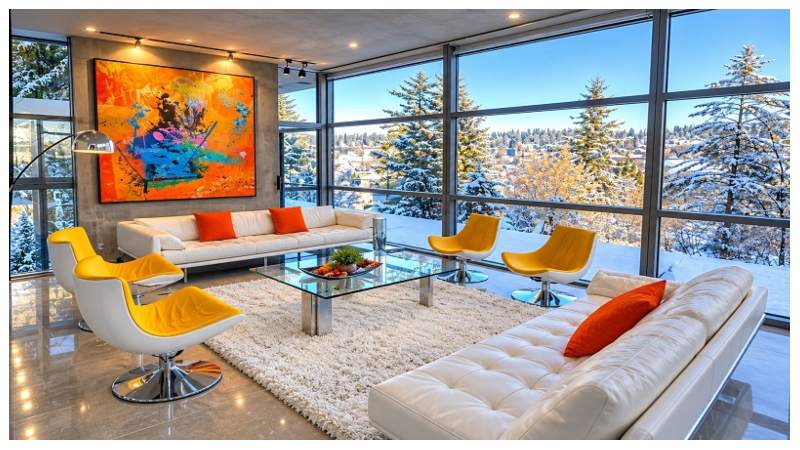
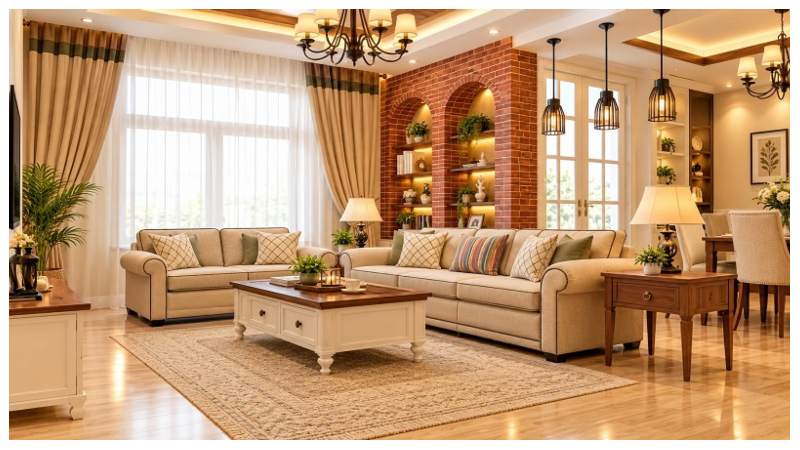
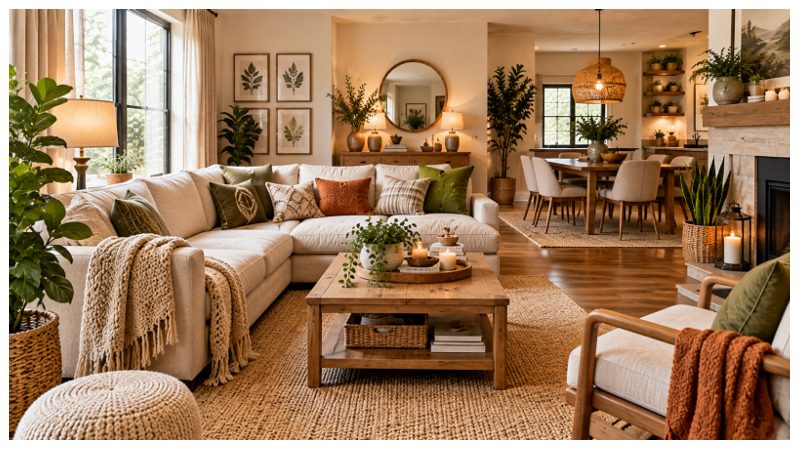
The living room should balance relaxation, conversation, and practical use. Instead of arranging every piece of furniture against the walls, create a central seating arrangement that encourages interaction.
A large sofa can become the main comfort feature, while an accent chair or small bench provides additional seating. Place a coffee table within easy reach, but leave enough walking space around it.
Layer the room with a rug, cushions, throws, plants, and artwork. Choose accessories that share a few colors so the room feels coordinated rather than random.
If the living room is large, divide it into smaller functional zones. One corner could become a reading area while another remains dedicated to conversation or entertainment.
3. Comfortable Bedroom Decor Ideas
Your bedroom should feel peaceful from the moment you enter. Start with the bed because it is naturally the main focal point. Layer quality-looking bedding with pillows, a lightweight blanket, and a textured throw.
Avoid using too many competing patterns. Instead, combine different textures within a simple color palette. Cream, beige, muted green, soft brown, and dusty blue can all create a restful atmosphere.
Bedside lighting is also important. A pair of matching lamps can create balance, while a single statement lamp can add personality.
Keep the area around your bed organized. A tidy nightstand with only essential items helps create a calmer environment and makes the room feel more spacious.
4. Cozy Kitchen Ideas for Everyday Living
The kitchen can be one of the warmest areas of the home when functionality and decoration work together. Start by keeping countertops clear enough for comfortable food preparation.
Give everyday ingredients a stylish upgrade by storing them in beautifully coordinated jars or containers. Wooden cutting boards, woven baskets, ceramic dishes, and small plants can add decorative warmth without taking over valuable counter space.
If you have open shelving, avoid filling every shelf. Display a mixture of useful and decorative pieces, leaving some empty space for a cleaner appearance.
A small breakfast corner can make the kitchen more inviting. Even two comfortable stools at a counter can create a casual spot for morning coffee or quick meals.
5. Make Your Dining Area More Welcoming
A dining area should encourage people to sit down and enjoy time together. Comfortable seating is therefore just as important as appearance.
Keep the centerpiece low enough that people can easily see across the table. A simple vase, greenery, decorative bowl, or small arrangement can provide an elegant focal point.
Change table accessories according to the occasion. Neutral placemats can work for everyday meals, while seasonal runners and decorative dishes can make special gatherings feel more memorable.
Good lighting above the dining table can also define the area, especially in open-plan homes.
6. Relaxing Bathroom Decor Ideas
Bathrooms are often overlooked when decorating for comfort. However, a few thoughtful changes can make the space feel more like a personal retreat.
Use coordinated towels and a comfortable bath mat to introduce softness. Wooden trays, woven baskets, ceramic containers, and natural-looking accessories can add warmth.
Keep toiletries organized rather than allowing bottles to cover every surface. A small tray can group frequently used products, while baskets can keep spare towels and supplies neatly stored.
A mirror with an attractive frame can become a decorative feature while making the bathroom appear brighter and more spacious.
7. Choose Soft and Warm Color Combinations
Color strongly influences the mood of a room. Warm neutrals provide an excellent foundation because they are versatile and easy to combine with different decorating styles.
Consider shades such as warm white, cream, sand, taupe, beige, caramel, and soft brown. Add muted green or dusty blue if you want a subtle connection with nature.
You can also introduce stronger colors through smaller elements rather than painting an entire room. Cushions, artwork, curtains, rugs, and decorative objects can provide colorful accents without becoming permanent commitments.
A useful approach is the 60-30-10 concept: use one dominant color, one supporting shade, and a smaller accent color to create visual balance.
8. Add Texture with Rugs, Cushions, and Throws
A room can have beautiful colors but still feel flat if everything has the same texture. Layering materials gives the interior more depth and makes it visually inviting.
Combine smooth furniture with knitted throws, woven baskets, textured cushions, curtains, rugs, and natural wood.
Rugs are particularly useful because they visually connect furniture and make seating areas feel grounded. In bedrooms, a soft rug beside or beneath the bed can add comfort underfoot.
Do not overdo textures. Choose several materials that complement each other rather than introducing every possible fabric into one room.
9. Furniture Ideas for a Comfortable Home
Good furniture should fit both your room and your lifestyle. Before buying anything, measure the available space and consider how people will move around it.
Choose seating based on how the room is actually used. If your family enjoys movie nights, prioritize comfortable seating. If you frequently entertain guests, consider flexible chairs or an additional bench.
Multifunctional furniture is especially useful in smaller homes. Storage ottomans, benches with compartments, nesting tables, and shelving units can provide practical benefits without sacrificing style.
Mixing furniture styles can also create a more individual appearance. The pieces do not have to match perfectly as long as they share a common color, material, proportion, or design detail.
10. Use Lighting to Create a Cozy Atmosphere
Lighting can completely change the personality of a room. A single bright ceiling fixture may provide enough visibility, but it rarely creates the warm atmosphere associated with a cozy interior.
Use layers of light instead. Combine ceiling lighting with floor lamps, table lamps, wall lights, and decorative fixtures.
Place lamps near sofas, reading chairs, bedside tables, or work areas. This creates smaller pools of light and makes large rooms feel more intimate.
During daylight hours, maximize natural light whenever possible. Keep windows reasonably clear and choose window coverings that allow you to control brightness and privacy.
11. Bring Nature Indoors with Greenery
Plants can instantly make an interior feel fresher and more alive. Place larger plants in empty corners and smaller varieties on shelves, tables, or windowsills.
Choose plants according to the amount of light and care you can provide. The goal is to add greenery without creating another difficult household responsibility.
Natural materials can reinforce the same feeling. Wooden furniture, woven baskets, rattan-style details, stone-inspired accessories, and linen-like fabrics work beautifully with greenery.
Even botanical artwork can bring a subtle outdoor influence into rooms where live plants are not practical.
12. Creative Wall Decor for Cozy Spaces
Walls provide valuable decorating space without reducing floor area. Instead of leaving large walls completely empty, use them to introduce personality.
A gallery wall can combine family photographs, artwork, illustrations, and prints. To prevent it from looking messy, connect the pieces through a similar frame style, color palette, or theme.
A large mirror can work particularly well in smaller rooms because it reflects light and creates a stronger sense of openness.
Floating shelves offer another flexible solution. Use them to display books, plants, candles, framed artwork, and a few favorite objects while keeping the arrangement visually balanced.
13. Smart Storage Ideas for a Neat Home
A cozy home should be comfortable to live in, and good storage makes that much easier. Clutter can quickly take away from an otherwise beautiful interior.
Start by identifying items that repeatedly create mess. Then choose storage based on how those items are used.
Baskets can hold blankets and toys, drawer dividers can organize smaller belongings, and cabinets can hide items that do not need to remain visible.
Use vertical space whenever possible. Tall shelves and wall-mounted storage can increase capacity without consuming much floor area.
A useful rule is to keep frequently used items accessible and less frequently used belongings stored away.
14. Affordable Ways to Refresh Your Decor
Decorating on a budget is easier when you focus on changes that have a visible impact. You do not need to replace everything in a room.
Start by rearranging furniture. Move artwork, change cushion combinations, restyle shelves, or switch accessories between rooms.
Textiles are another affordable way to create a new appearance. A different rug, throw, cushion cover, or curtain can change the atmosphere without requiring new furniture.
Consider secondhand furniture and decor when appropriate. Older pieces can often become attractive additions after cleaning, repairing, or updating their hardware.
Spend your budget on items that provide both practical and visual value.
15. DIY Decor Projects for a Personal Touch
DIY decoration gives you an opportunity to create something that cannot be found in every other home. Simple projects can include handmade artwork, painted frames, customized storage boxes, decorative trays, or refreshed furniture.
Repurposing is another smart option. An old wooden box can become shelf storage, a simple frame can be transformed into wall art, and an unused container can become a plant holder.
Before starting a project, consider its durability and safety. Choose appropriate materials and tools, especially when working with furniture, paint, electrical components, or wall-mounted items.
The best DIY projects are not necessarily complicated. A small handmade detail can have more personality than an expensive mass-produced decoration.
16. Minimalist Decor Ideas That Still Feel Warm
Minimalism works beautifully when the goal is to create a peaceful home. However, minimalist does not have to mean empty, plain, or uncomfortable.
Begin by removing items that no longer serve a purpose. Keep the pieces that are useful, meaningful, or genuinely attractive.
Use a restrained color palette and introduce warmth through wood, woven materials, soft fabrics, plants, and artwork.
Keep surfaces relatively clear but do not remove every decorative detail. One beautiful vase, a few books, or a framed photograph can provide enough personality.
The key is intentional decorating. Every item should have a reason for being there.
17. Seasonal Ideas to Keep Your Home Fresh
Seasonal decorating can refresh your home without requiring a major makeover. Focus on small, replaceable elements rather than permanent changes.
In spring and summer, lighter fabrics, fresh greenery, and airy colors can create a brighter feeling. During autumn and winter, add thicker throws, textured cushions, warm earthy shades, and softer lighting.
You can also update the dining table, entryway, or coffee table with seasonal arrangements.
Store seasonal accessories carefully so they remain in good condition and can be reused in future years. This approach keeps decorating affordable and reduces unnecessary purchases.
18. Easy Decorating Mistakes to Avoid
One of the most common decorating mistakes is buying furniture before measuring the room. Always check dimensions, doorways, walking paths, and surrounding furniture before making a purchase.
Another mistake is using too many unrelated colors. A room usually feels more coordinated when a limited palette is repeated across different elements.
Avoid placing every piece of furniture directly against the walls if the room allows for a more conversational layout.
Too many decorative accessories can also create visual clutter. Instead of displaying everything you own, rotate your favorite pieces throughout the year.
Finally, do not sacrifice comfort simply to follow a decorating trend. Your home should work for your daily routine.
Final Tips for Creating a Cozy Home
Creating a cozy home is an ongoing process rather than a single decorating project. You can gradually improve each room by focusing on comfort, organization, lighting, color, and personal style.
Start with the areas you use most often. Improve the furniture arrangement, introduce comfortable textures, organize clutter, and add lighting that creates the right mood.
Remember that expensive products are not what make a home feel special. Personal photographs, favorite books, handmade items, plants, meaningful artwork, and comfortable furnishings can create much more character.
The most successful Home Decor Ideas Thehometrotters for Cozy Homes combine beauty with everyday practicality. Choose pieces that make your home easier to enjoy, create spaces that reflect your personality, and make small improvements over time.