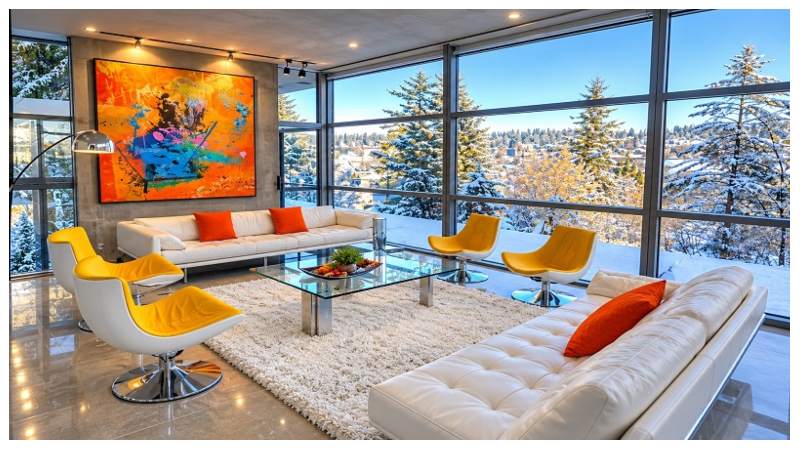
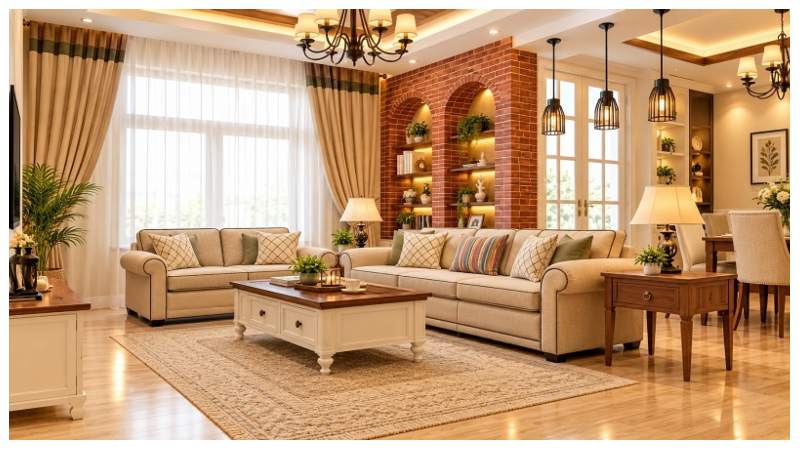
A stylish home is more than a collection of attractive furniture and decorative accessories. It is a thoughtfully arranged environment that supports everyday routines, expresses personal taste, and provides a comfortable place to relax. From carefully selected colors to practical storage solutions, small design decisions can influence how a room looks and feels. Thehometrotters Trisha: Stylish Home Tips explores creative ways to improve your interiors without making decorating complicated or expensive.
Creating an appealing home does not require following every design trend. Instead, the goal is to identify what works for your space, understand your preferences, and make improvements that remain useful over time. Whether you live in a compact apartment or a spacious family house, thoughtful planning can help you develop an inviting and attractive interior.
1 . Creating a Beautiful and Comfortable Home
Every room should blend inviting comfort with thoughtful design to create a space that feels beautiful and welcoming. A living room may look impressive, but uncomfortable seating or poor furniture placement can make it difficult to enjoy. Similarly, a bedroom should provide visual calm while offering enough storage for everyday belongings.
Begin by identifying what each room needs to accomplish. Consider how people move through the space, where natural light enters, and which furniture pieces receive the most use. Choose durable materials, comfortable furnishings, and decorative elements that complement the room rather than overwhelm it. This practical approach creates interiors that look appealing while remaining suitable for everyday living.
Understanding Your Personal Decorating Style
Your decorating style should reflect your preferences instead of copying an entire room from a magazine. Some homeowners appreciate minimalist interiors with simple furniture, while others prefer colorful spaces filled with artwork, patterns, and collected objects. Modern, traditional, Scandinavian, rustic, and contemporary designs can all provide inspiration.
Create a small collection of reference images featuring colors, furniture shapes, materials, and room layouts you enjoy. Look for repeated elements to identify your preferred style. You can then select a few consistent features to guide future purchases and decorating decisions. This approach gives your home a distinct character, bringing every design element together instead of mixing disconnected trends.
An attractive interior should accommodate real household activities. Families may need washable fabrics, accessible storage, and flexible seating, while people working from home might prioritize desk space and suitable lighting.
Before purchasing decorative items, consider their practical value and the maintenance they require. Select furniture that fits the room, leave clear walking paths, and place frequently used objects within easy reach. When appearance and usability receive equal attention, your home becomes easier to maintain and more enjoyable to occupy.
2. Thehometrotters Trisha Home Décor Ideas
Successful home decorating begins with a clear plan. Instead of changing everything simultaneously, choose a room or feature that needs improvement and build your design around it. A coordinated color palette, carefully styled walls, and a few distinctive accessories can transform an ordinary interior into a more polished environment.
Thehometrotters Trisha home décor ideas emphasize intentional choices that improve the atmosphere without creating unnecessary clutter. Simple changes can make a noticeable difference when they complement the existing architecture and furniture.
Choosing the Right Colors for Your Interior
Color influences the character of a room and the way different elements appear together. Soft white, warm beige, muted gray, and earthy shades provide versatile foundations for many decorating styles. Deeper colors, including navy, forest green, and terracotta, can introduce contrast and visual interest.
Choose a primary color for larger surfaces, a secondary shade for furniture or textiles, and an accent color for smaller decorative details. Test paint samples under morning, afternoon, and evening lighting before making a final decision. This helps you understand how the color changes throughout the day.
Remember that different rooms can have different moods while maintaining a connection through repeated tones or materials. Consistency does not mean every wall must share the same color.
Decorating Walls With Creative Details
Walls offer opportunities to introduce personality without occupying valuable floor space. Framed artwork, photographs, mirrors, decorative shelves, and textured finishes can make plain surfaces more interesting.
When arranging artwork, consider the size of the wall and the furniture beneath it. A large piece can provide a strong focal point, while a carefully aligned collection of smaller frames can create a personalized gallery. Keep spacing relatively consistent to maintain a balanced appearance.
Mirrors can also help distribute light and create a greater sense of openness. Position them where they reflect an attractive view or useful natural light. Avoid filling every available wall; allowing some surfaces to remain simple gives important decorative features room to stand out.
Adding Textures and Decorative Accessories
Texture adds depth to interiors, particularly when the color palette is restrained. Wood, linen, wool, ceramic, glass, metal, and woven materials offer different visual qualities that can make a room feel layered and complete.
Combine a smooth coffee table with a textured rug, soft cushions, and a woven basket. Use decorative trays to group smaller objects, and select accessories that complement the room’s existing finishes. A few carefully chosen pieces generally create a more refined result than numerous unrelated decorations.
3. Stylish Living Room Tips
The living room often serves several purposes, including entertaining guests, relaxing after work, watching films, and spending time with family. Its design should support these activities while establishing a welcoming atmosphere.
Arranging Furniture for a Better Layout
Start by identifying the room’s main purpose and focal point. This might be a television, fireplace, large window, or attractive architectural feature. Arrange the primary seating around that point while maintaining comfortable conversation distances.
Avoid pushing every furniture item against the walls if doing so makes the room feel disconnected. In larger spaces, a sofa and chairs can define a seating area, while a console or bookshelf establishes a separate zone. In smaller rooms, choose compact furniture and preserve clear routes between doors and frequently used areas.
Measure furniture before buying it. A layout that looks spacious on paper can feel cramped when oversized pieces occupy the room.
Choosing Comfortable and Modern Furniture
Furniture should suit the scale of your living room and the needs of its occupants. A compact sofa, nesting tables, or a storage ottoman may work particularly well in a limited space. Larger rooms can accommodate sectional seating or additional armchairs when sufficient circulation space remains.
Look beyond appearance when evaluating furniture. Check seat depth, support, fabric durability, cleaning requirements, and construction quality. Neutral upholstery offers flexibility, while colorful cushions or occasional chairs can introduce personality without requiring a complete redesign.
Creating a Warm and Welcoming Atmosphere
A welcoming living room combines comfortable seating, balanced lighting, and personal details. Layer cushions and throws to soften the furniture, introduce a rug to connect the seating arrangement, and display a few meaningful objects.
Keep frequently used items accessible without allowing them to dominate the room. Books, family photographs, and carefully selected decorative pieces can make the space feel lived-in and distinctive. The objective is to create an environment that invites people to settle in rather than one that feels too delicate to use.
4. Bedroom Styling Ideas
A well-designed bedroom should encourage relaxation while providing practical solutions for clothing, bedding, and personal belongings. Soft colors, comfortable textiles, and restrained decoration can help establish a peaceful atmosphere.
Selecting Relaxing Colors and Bedding
Consider muted blue, warm cream, soft green, or gentle neutral shades for a calming bedroom palette. The best choice depends on natural light, room size, and personal preference.
Layer bedding with a fitted sheet, duvet, and a small selection of cushions or a throw. Choose breathable fabrics appropriate for your climate, and avoid adding so many layers that the bed becomes difficult to maintain. Coordinating two or three colors can create a finished appearance without making the room feel overly formal.
Maximizing Space With Smart Storage
Bedrooms often accumulate clothing, accessories, and miscellaneous belongings. Use under-bed containers, wardrobe organizers, bedside drawers, and vertical shelving to make better use of available space.
Choose storage that fits the room rather than introducing bulky furniture that restricts movement. Bedside tables with drawers can keep everyday necessities out of sight, while hooks behind a door may provide a convenient place for frequently used items.
Adding Simple Decorative Touches
A bedside lamp, framed print, small vase, or textured cushion can introduce character without overwhelming the room. Keep surfaces reasonably clear and choose decorations that contribute to a consistent mood.
If the bedroom feels unfinished, examine its lighting, bedding, and wall arrangement before purchasing more accessories. Often, adjusting these existing elements produces a more satisfying result.
5. Kitchen Design and Organization
The kitchen must accommodate food preparation, cleaning, storage, and sometimes dining. A stylish kitchen therefore depends on an effective layout as much as attractive finishes.
Keeping Kitchen Counters Clean and Stylish
Clear countertops create a more spacious appearance and provide room for preparing meals. Keep everyday essentials, such as a kettle or frequently used cooking tools, accessible while storing occasional-use appliances elsewhere.
A small tray can organize cooking oil, salt, and other regularly used ingredients. Choose a countertop display that is easy to move and clean, and avoid placing decorations near heat sources or areas exposed to water splashes.
Using Smart Storage Solutions
Make cabinets and drawers easier to use by grouping similar items together. Store cookware near the cooking area, keep frequently used plates accessible, and arrange pantry products according to category.
Drawer dividers, adjustable shelves, labeled containers, and pull-out organizers can reduce wasted space. Before buying storage accessories, measure the available dimensions and identify the specific problem you want to solve.
Updating Cabinets and Kitchen Accessories
You do not always need to replace kitchen cabinets to improve their appearance. Cleaning cabinet fronts, changing suitable handles, repairing loose hinges, or applying an appropriate finish can refresh an older kitchen.
Coordinate accessories with existing surfaces and fixtures. For example, brushed metal handles may complement stainless-steel appliances, while wood accents can soften a kitchen dominated by stone and smooth finishes. Choose changes that work with the overall design instead of competing with it.
6. Budget-Friendly Home Improvement Tips
Creating an attractive interior does not depend on purchasing expensive furniture or undertaking major renovations. Strategic improvements can refresh a home while keeping costs manageable.
Refreshing Rooms Without Major Renovations
Start with changes that have a visible impact. Rearranging furniture, cleaning windows, repainting a tired wall, replacing worn cushion covers, or updating curtains can give a room a different character.
Prepare a short priority list and estimate the cost of each improvement before beginning. Address functional problems first, such as damaged fixtures or insufficient lighting, and then spend on decorative upgrades. This approach helps prevent unnecessary purchases and keeps the project organized.
Repurposing Old Furniture Creatively
Existing furniture can often be adapted to meet changing needs. A wooden cabinet might become a hallway storage unit, an old side table could work as a plant stand, or a sturdy chest could provide additional bedroom storage.
Inspect each item before repurposing it. Repair loose joints, sand suitable surfaces carefully, and use finishes designed for the material. New handles, updated upholstery, or a fresh coat of paint can give a useful piece a completely different appearance.
Using Affordable Décor to Transform Spaces
Affordable accessories can introduce color and personality without requiring substantial investment. Try removable wall art, secondhand decorative pieces, inexpensive cushion covers, or simple arrangements of books and ceramics.
Focus on visual impact rather than quantity. One appropriately sized artwork or a well-chosen rug may contribute more to a room than many small purchases. Shopping with a plan also makes it easier to avoid items that do not suit your existing palette.
7. Lighting Ideas for a Stylish Home
Lighting affects how colors appear, how comfortably people use a room, and how its architectural features are perceived. A thoughtful lighting plan combines natural illumination with suitable artificial sources.
Making the Most of Natural Light
Keep windows clean and choose curtains that allow daylight to enter when privacy requirements permit. Position desks or reading chairs near suitable windows, taking care to avoid distracting glare on screens.
Use light-colored surfaces where appropriate to help distribute daylight. Mirrors may also brighten darker areas when positioned thoughtfully. In rooms with limited windows, avoid blocking the available light with oversized furniture or heavy window coverings.
Choosing Modern Indoor Lighting Fixtures
Select lighting according to each room’s activities. Kitchens benefit from clear task lighting, bedrooms need comfortable illumination, and living rooms often work best with several light sources rather than one bright ceiling fixture.
Consider pendant lights, wall sconces, floor lamps, and recessed fixtures where appropriate. Check bulb brightness, color temperature, fixture dimensions, and energy efficiency before purchasing. Ensure installations follow local electrical requirements and use qualified professionals when necessary.
Creating a Cozy Mood With Accent Lighting
Accent lighting highlights artwork, shelves, architectural details, or a reading corner. Table lamps and floor lamps can introduce softer illumination during evenings, while dimmable fixtures allow brightness to change according to the activity.
Combine ambient lighting with task and accent sources to create flexibility. Avoid placing every light at the same height or relying exclusively on harsh overhead illumination.
8. Smart Storage and Home Organization
Good organization makes a home easier to maintain and helps attractive design choices remain visible. The most effective systems reflect household habits rather than requiring constant effort.
Organizing Small Spaces Efficiently
When floor space is limited, use vertical storage, wall-mounted shelves, narrow cabinets, and furniture with built-in compartments. Choose pieces that perform more than one function, such as a storage bench or an extendable dining table.
Measure available space carefully and leave sufficient room for doors, drawers, and walkways. A smaller number of appropriately sized storage solutions can work better than several bulky organizers.
Reducing Clutter With Practical Storage
Give everyday belongings designated places. Use baskets for loose accessories, drawer dividers for smaller items, and labeled containers for seasonal supplies.
Review possessions regularly and remove items that are broken, unused, or no longer needed. Organizing becomes easier when storage is based on how frequently something is used. Everyday objects should be convenient to reach, while occasional-use items can be placed in less accessible locations.
Maintaining a Neat and Functional Interior
Build short organizing routines into your day. Returning items after use, clearing kitchen counters, folding blankets, and sorting incoming mail can prevent small messes from becoming overwhelming.
Choose storage systems that are easy for everyone in the household to understand. If a system requires too many steps, it may be difficult to maintain consistently.
9. Adding Personality to Your Home
A home becomes distinctive when it reflects the interests, memories, and preferences of the people who live there. Personal touches can make even a simple interior feel meaningful.
Displaying Artwork and Meaningful Accessories
Choose artwork, photographs, travel souvenirs, or handmade objects that hold personal significance. Arrange them thoughtfully so each item has enough space to be appreciated.
Group smaller objects on shelves or tables, balancing different heights and shapes. Avoid displaying everything at once; rotating selected pieces occasionally can keep the interior interesting without adding clutter.
Mixing Patterns, Materials, and Textures
Combining different materials creates depth when the elements share a visual connection. Pair a patterned cushion with a plain sofa, combine natural wood with metal accents, or layer a textured rug over suitable flooring.
Keep a common color or repeated motif across contrasting patterns. This helps the room feel coordinated even when the materials differ. If you are uncertain, introduce one new texture or pattern at a time.
Creating Unique Decorative Features
A distinctive feature can give a room its own identity. Consider a painted accent wall, an unusual mirror, a carefully styled bookshelf, or a collection of handmade ceramics.
Choose a feature that complements the room’s size and existing architecture. Allow it to attract attention without surrounding it with competing decorations. A thoughtful focal point often makes a stronger impression than a room filled with unrelated statement pieces.
10. Common Home Decorating Mistakes to Avoid
Even well-intentioned decorating projects can become less successful when choices are made without considering scale, balance, and practical requirements. Recognizing common mistakes can save both money and effort.
Choosing Too Many Colors and Patterns
Combining numerous unrelated colors can make a room feel visually unsettled. Establish a small palette and repeat selected shades across furniture, textiles, and accessories.
This does not mean every item must match exactly. Contrasting colors and patterns can work beautifully when they share a clear relationship.
Overcrowding Rooms With Furniture
Too many furniture pieces restrict movement and make a room appear smaller. Measure the space before purchasing anything, and identify which items are genuinely necessary.
Leave enough room to walk comfortably around seating, open cabinets, and access doors. Removing an unnecessary table or chair may improve the layout more than adding another decorative item.
Ignoring Lighting and Room Proportions
A beautiful fixture may look awkward if it is too large for the room, while a small rug can make a seating area feel disconnected. Consider the scale of each item in relation to nearby furniture and the dimensions of the room.
Check lighting conditions before selecting paint, fabrics, or finishes. Testing samples in the actual space helps prevent disappointing results after installation.
11. Maintaining a Stylish Home Throughout the Year
A well-designed home should remain attractive as household needs and seasons change. Regular care and small updates help preserve its appearance without requiring frequent renovations.
Keeping Living Spaces Fresh and Clean
Clean surfaces regularly, vacuum rugs, care for upholstery according to its instructions, and address small repairs before they become larger problems. Maintain kitchen and bathroom ventilation to help control moisture and odors.
Create a manageable cleaning schedule rather than attempting every task at once. Consistent maintenance protects materials and keeps rooms ready for everyday activities.
Updating Décor for Different Seasons
Seasonal changes can refresh a familiar interior. Lightweight textiles and brighter accents may suit warmer months, while thicker throws, richer colors, and softer lighting can make cooler seasons feel more comfortable.
Store seasonal accessories carefully and reuse existing pieces wherever possible. Changing a few cushions, a table arrangement, or a bedspread can create a fresh atmosphere without redesigning the entire room.
Making Small Changes for a Fresh Appearance
Pay attention to areas that feel tired or no longer meet your needs. Reposition artwork, rearrange a bookshelf, update a lampshade, or introduce a different accent color.
Make one change at a time and observe its effect before continuing. This measured approach keeps the design coherent and makes it easier to recognize which improvements genuinely work.
12. Conclusion: Thehometrotters Trisha Stylish Home Tips
Creating a stylish home is an ongoing process built around thoughtful choices, practical planning, and individual expression. From selecting complementary colors to organizing storage and improving lighting, small decisions can gradually transform an ordinary interior into a comfortable and attractive living environment.
Thehometrotters Trisha: Stylish Home Tips encourages homeowners to focus on improvements that suit their lifestyles, spaces, and budgets. Rather than chasing every trend, choose durable materials, useful furniture, meaningful accessories, and decorating ideas that make everyday routines easier.
Simple Ways to Improve Your Living Space
Begin with one room and identify the changes that would make the greatest difference. Clear unnecessary clutter, improve lighting, adjust furniture placement, or introduce a coordinated selection of textiles. These manageable steps can refresh an interior without requiring a complete makeover.
Building a Home That Reflects Your Personality
Your home should express your preferences while supporting the way you live. Display objects that matter to you, choose colors that feel comfortable, and create spaces that accommodate your daily activities.