
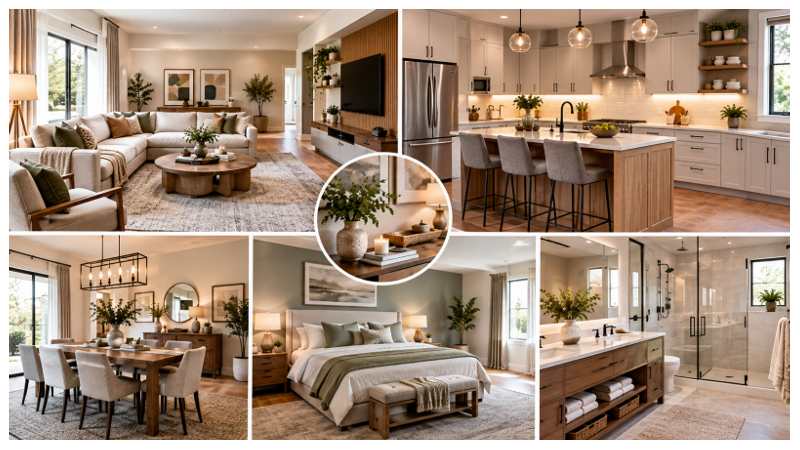
A truly modern home should offer lasting comfort, practical functionality, and a distinctive character that extends far beyond its visual appeal in photographs. It should support everyday routines, reflect personal taste, and make the most of the available space. Whether it is a welcoming lounge or an efficiently planned kitchen, each space can gain greater charm when everyday functionality is paired with carefully selected design elements and purposeful finishing touches.
Thehometrotters Blog Home Ideas for Modern Interiors explores creative ways to update contemporary spaces without making them feel cold, crowded, or unnecessarily expensive. By considering furniture proportions, color combinations, lighting, textures, and storage, homeowners can create interiors that feel connected and comfortable. Whether you are planning a complete makeover or making a few gradual improvements, the following ideas can help you develop a home that suits your lifestyle.
1. Understanding Modern Interior Design
Modern interior design emphasizes purposeful choices, balanced proportions, and a clear relationship between appearance and function. Instead of filling every corner, it gives important furniture, materials, and architectural features enough room to stand out.
Key Features of a Modern Home
Contemporary interiors often include simple furniture shapes, uncluttered surfaces, practical storage, and a thoughtful mix of natural and manufactured materials. Wood can soften a room, glass can create a lighter appearance, and metal details can introduce definition.
Balancing Style, Comfort, and Functionality
An attractive room should also work well. Choose furniture that feels comfortable, surfaces that suit your daily habits, and layouts that allow easy movement. A beautiful chair is not a useful addition if it blocks a doorway or leaves insufficient room to walk.
Choosing a Design Style That Fits Your Lifestyle
Explore styles such as Scandinavian simplicity, warm minimalism, contemporary elegance, or industrial-inspired interiors. Select elements that match your preferences and household needs rather than copying an entire showroom. A home with children, pets, or frequent visitors may require different materials and storage solutions from a quiet apartment.
2. Modern Living Room Ideas for Everyday Comfort
The living room often accommodates several activities, so its layout should feel flexible. Create a comfortable arrangement for conversation, relaxation, entertainment, and occasional guests.
Selecting Furniture with Clean Lines
Sofas with simple silhouettes, streamlined tables, and understated chairs can create a contemporary foundation. Choose upholstery that suits your maintenance needs, then add personality through cushions, throws, or a distinctive accent chair.
Creating a Balanced Living Room Layout
Identify the main focal point before positioning the furniture. Arrange seating around a fireplace, entertainment unit, window view, or central table. In an open-plan home, an appropriately sized rug can define the lounge area without interrupting the flow between spaces.
Adding Stylish Accessories Without Clutter
Choose decorative accents that express your style and give a room personality, instead of overcrowding surfaces simply to make them look complete. A statement vase, framed artwork, table lamp, or small collection of books may provide enough detail. Leave breathing room around these objects so the room feels considered instead of crowded.
3. Contemporary Bedroom Ideas for Relaxation
A modern bedroom should encourage rest while maintaining a coordinated appearance. Comfortable materials, sensible storage, and soft lighting can make it feel peaceful without becoming plain.
Choosing a Calm and Coordinated Color Scheme
Warm white, muted green, soft beige, and dusty blue can provide a relaxing foundation. Add darker tones through a headboard, bedside furniture, curtains, or artwork. Test paint samples in the actual room because daylight and artificial lighting affect how colors appear.
Creating a Comfortable and Stylish Bed
Choose bedding according to comfort, climate, and ease of care. Layering a duvet or quilt with a lightweight blanket introduces depth, while a few coordinated pillows create a finished appearance. Keep the arrangement simple enough to maintain every morning.
Maximizing Space in Small Bedrooms
Use the space beneath the bed for suitable storage and consider wall-mounted shelves instead of bulky bedside furniture. Choose wardrobes with practical internal organizers, and avoid oversized pieces that restrict movement around the bed.
4. Modern Kitchen Ideas for Practical Living
A modern kitchen should make preparing meals, cleaning, and storing supplies straightforward. Its design works best when attractive finishes support everyday tasks.
Combining Kitchen Style with Everyday Function
Plan convenient routes between food storage, preparation surfaces, the sink, and cooking appliances. Keep frequently used equipment accessible and leave enough clear counter space for preparing meals.
Choosing Modern Cabinets and Countertops
Sleek cabinet fronts, discreet hardware, and harmoniously matched materials give the kitchen a refined, uncluttered look without unnecessary ornamentation. Natural wood tones can soften white cabinets, while darker finishes can add depth when paired with suitable lighting. Evaluate countertop options by weighing their long-term resilience, everyday care requirements, and overall cost against your household’s needs and spending limits.
Organizing Kitchen Essentials Efficiently
Group utensils, cookware, containers, and pantry supplies according to their purpose. Drawer dividers, shelf organizers, and labeled storage can make everyday items easier to locate. Keep rarely used appliances out of the main preparation area to reduce visual clutter.
5. Elegant Dining Areas for Modern Homes
A dining area can feel sophisticated without elaborate decoration. Comfortable seating, balanced proportions, and suitable lighting usually create a stronger impression than excessive accessories.
Selecting a Suitable Dining Table and Chairs
Measure the available space before purchasing furniture. Round tables can suit compact rooms, while rectangular designs often work well in longer areas. Make sure chairs can move freely and leave enough room for people to walk around the table.
Using Statement Lighting Above the Table
A pendant or chandelier can establish the dining area’s focal point. Choose a fixture that complements the table’s size and provides comfortable illumination. Dimmable lighting can help create a relaxed atmosphere during evening meals.
Decorating the Dining Table with Simple Accents
A low vase, ceramic bowl, or small greenery arrangement can add interest without obstructing conversation. Choose a centerpiece that can be moved easily when the table is needed for serving food or other activities.
6. Modern Bathroom Design Ideas
A well-designed bathroom combines clean surfaces with convenient storage and durable finishes. Even modest improvements can make the space feel more polished.
Creating a Clean and Uncluttered Bathroom
Keep daily-use bathroom essentials neatly arranged inside practical drawers, concealed cupboards, or matching storage vessels to maintain an orderly, polished space. Keep the sink area clear enough for comfortable use and easy cleaning. Matching towels and bath mats can introduce color without overwhelming the room.
Choosing Contemporary Fixtures and Finishes
Simple taps, streamlined handles, modern mirrors, and restrained tile patterns can give a bathroom a contemporary character. Consider water resistance, durability, and cleaning requirements before choosing materials.
Adding Storage Without Sacrificing Style
Wall-mounted cabinets, narrow shelves, and compact organizers can make use of vertical space. Choose storage that does not obstruct movement, interfere with ventilation, or create unnecessary cleaning difficulties.
7. Choosing the Best Colors for Modern Interiors
Color connects furniture, walls, textiles, and decorative features. A considered palette can help different rooms feel related even when their layouts and purposes vary.
Using Neutral Shades as a Foundation
Cream, warm white, beige, and soft gray provide versatile backgrounds for contemporary interiors. These colors can also highlight the grain of wooden furniture and the texture of rugs or upholstery.
Introducing Bold Colors Through Accent Pieces
Introduce stronger shades through cushions, artwork, decorative chairs, or lamps. This allows you to experiment with color without committing to a permanent change across the entire room.
Combining Colors for a Consistent Look
Select a few recurring colors and repeat them naturally throughout the home. For example, warm wood and muted green might appear in living room accessories, kitchen details, and bedroom textiles. The result feels connected without making every room identical.
8. Furniture Ideas for Contemporary Spaces
Furniture influences how a room looks, feels, and functions. Careful selection can make a home feel more spacious and organized.
Choosing Furniture That Fits Your Room
Measure furniture and available floor space before buying. Consider doorways, windows, cupboards, and the clearance needed to move comfortably. A well-proportioned sofa often works better than an oversized design that dominates the room.
Exploring Multifunctional Furniture
Storage ottomans, extendable dining tables, nesting tables, and beds with drawers can provide additional usefulness without requiring extra furniture. These pieces are particularly helpful in smaller homes.
Mixing Materials for a Sophisticated Finish
Combine wood, metal, glass, stone, and fabric to create contrast. Repeating a few finishes throughout the room helps the combination feel intentional. Avoid introducing so many materials that the interior loses its visual direction.
9. Modern Lighting Ideas for Every Room
Lighting affects how a room functions at different times of day. A combination of light sources generally offers more flexibility than relying on a single ceiling fixture.
Layering Ambient, Task, and Accent Lighting
Ambient lighting illuminates the overall room, task lighting supports activities such as cooking or reading, and accent lighting highlights artwork or architectural details. Planning these layers can make the space more useful and visually appealing.
Using Pendant Lights and Floor Lamps
Pendant lights can define dining areas and kitchen islands, while floor lamps can brighten reading corners or darker sections of a living room. Select fixtures that suit the room’s proportions and provide suitable illumination.
Making the Most of Natural Daylight
Keep windows reasonably clear and choose curtains or blinds that balance privacy with daylight. Position desks, reading chairs, or seating near windows when practical to make better use of natural light.
10. Wall Decor Ideas for Modern Interiors
Walls provide an opportunity to express personality without using additional floor space.
Selecting Artwork for Contemporary Rooms
Choose artwork that complements the room’s palette or introduces a deliberate contrast. A single large piece can make a strong impression above a sofa, bed, or console.
Creating a Balanced Gallery Wall
Combine photographs, prints, and illustrations using a shared frame finish or repeated accent color. Plan the arrangement on the floor before hanging the pieces to achieve balanced spacing.
Using Mirrors to Enhance Light and Space
A strategically placed mirror can reflect daylight and make a compact room feel more open. Position it to reflect a pleasant view or light source rather than an untidy corner.
11. Textures and Materials That Add Character
Texture prevents contemporary interiors from feeling flat, particularly when the color scheme is restrained.
Combining Wood, Metal, Glass, and Fabric
Wood introduces warmth, metal creates definition, glass offers a lighter visual effect, and fabric softens hard surfaces. Use these materials in proportions that complement the room.
Using Rugs and Soft Furnishings for Warmth
Rugs, curtains, cushions, and throws can connect colors while improving comfort. Choose fabrics according to the room’s use, cleaning requirements, and seasonal needs.
Creating Contrast with Different Finishes
Pair matte finishes with subtle shine or smooth surfaces with woven materials. These differences create depth without requiring additional colors or decorative objects.
12. Bringing Natural Elements into Modern Homes
Natural materials can make modern interiors feel less formal and more connected to the outdoors.
Decorating with Indoor Plants
Choose plants according to available light, humidity, and your ability to maintain them. Place them where they can grow properly without blocking walkways or covering important surfaces.
Adding Natural Wood and Stone Details
Wooden accessories, stone-inspired surfaces, clay ceramics, and woven baskets can introduce organic character. A few carefully chosen pieces often create more impact than excessive decoration.
Connecting Indoor Spaces with Outdoor Views
Where possible, arrange furniture to take advantage of garden views or natural scenery. Keep windows visually open and use suitable window treatments to balance daylight with privacy.
13. Smart Storage Ideas for Organized Interiors
Effective storage allows attractive design details to remain visible while keeping everyday belongings manageable.
Making Better Use of Vertical Space
Tall shelving, wall-mounted organizers, and high cabinets can increase storage capacity without taking up unnecessary floor space. Place frequently used items within easy reach.
Choosing Stylish Storage Furniture
Cabinets, storage benches, baskets, and ottomans can conceal belongings while complementing the room’s design. Select pieces that suit the available space and the items they need to hold.
Keeping Everyday Clutter Under Control
Create dedicated places for keys, mail, chargers, bags, and other items that tend to accumulate. Simple routines for putting things away can help maintain an organized interior.
14. Modern Interior Ideas for Small Homes
Smaller homes benefit from design choices that reduce visual clutter and make each area work efficiently.
Making Compact Rooms Feel More Spacious
Avoid blocking walkways with oversized furniture. Use clear layouts, suitable proportions, and open sightlines to make rooms easier to navigate.
Using Mirrors and Lighting Strategically
Mirrors can reflect daylight, while well-positioned lamps help reduce dark corners. Light wall colors may also make a room feel brighter, particularly when combined with uncluttered surfaces.
Choosing Space-Saving Furniture
Foldable desks, nesting tables, wall-mounted shelves, and extendable dining furniture provide flexibility. Select pieces according to actual needs rather than adding features that will rarely be used.
15. Budget-Friendly Ways to Modernize Your Home
Refreshing a home does not always require a major renovation or a new furniture collection.
Refreshing Rooms Without Major Renovations
Rearrange furniture, restyle shelves, remove unnecessary objects, or move accessories between rooms. These small changes can create a different atmosphere without additional spending.
Updating Furniture and Decorative Accessories
New cushion covers, cabinet handles, lampshades, or curtains can refresh familiar surroundings. Prioritize changes that will have a noticeable effect on the room.
Using Paint to Transform Interior Spaces
A new wall color can alter the mood of a room and help older furniture feel more current. Prepare surfaces properly, test paint samples, and choose a suitable product for the material.
16. DIY Projects for Personalized Modern Interiors
Handmade details can give a home a character that ready-made decorations may not provide.
Creating Simple Contemporary Wall Art
Create abstract artwork, frame attractive fabric, or arrange personal photographs in a coordinated display. Choose colors that complement the room without making the design feel overly matched.
Refreshing Old Furniture with New Finishes
An older cabinet, table, or chair may become useful again after cleaning, suitable sanding, repainting, or replacing its hardware. Check the item’s condition and prepare the surface before applying a new finish.
Making Handmade Decorations for Your Home
Customized storage boxes, decorative trays, and simple handmade ornaments can add personality. Follow product instructions and use appropriate safety equipment when working with tools, paints, or adhesives.
17. Minimalist Design Ideas for Modern Living
Minimalist interiors focus on intentional choices rather than creating empty rooms without character.
Keeping Only Useful and Meaningful Items
Keep possessions that serve a purpose, provide comfort, or carry personal meaning. Store, donate, or recycle items that no longer contribute to everyday life.
Creating Open and Uncluttered Spaces
Avoid filling every shelf, wall, or corner. Leaving some surfaces clear helps important furniture and accessories become more noticeable.
Adding Warmth to Minimalist Interiors
Introduce wooden furniture, soft textiles, greenery, artwork, and warm lighting. These features prevent simple interiors from feeling cold or impersonal.
18. Common Modern Interior Design Mistakes to Avoid
Choosing Furniture Without Measuring
Always check dimensions before purchasing furniture. Consider walking routes, door swings, and the space needed to use drawers or cupboards comfortably.
Using Too Many Colors or Decorative Pieces
An excess of unrelated colors and accessories can make a room feel unsettled. Choose a clear palette and allow a few items to serve as focal points.
Ignoring Lighting and Practical Needs
A stylish room can still be inconvenient if it lacks suitable task lighting, useful storage, or comfortable seating. Consider how the room will be used throughout the day before finalizing its design.
19. Final Tips for Creating Beautiful Modern Interiors
Developing a Consistent Design Theme
Choose recurring colors, materials, and design features to connect different rooms. A consistent theme creates flow while leaving space for each room to express its own purpose.
Balancing Visual Appeal with Daily Comfort
Make sure furniture, lighting, storage, and materials support your routines. A home should be pleasant to look at and comfortable to live in.
Improving Your Home One Room at a Time
Begin with the room that needs the most attention, set a realistic budget, and decide which changes matter most. Complete improvements gradually and assess what works before moving to the next area.
Modern interiors do not depend on perfection or expensive purchases. They grow from thoughtful decisions that bring together comfort, practicality, and personal expression. With Thehometrotters Blog Home Ideas for Modern Interiors, you can discover ways to make each room more cohesive, useful, and welcoming. Start with manageable changes, trust your own preferences, and create a home that supports the way you genuinely live.