A comfortable and attractive home is not created through expensive furniture or complicated renovation projects alone. Often, the most impressive changes come from thoughtful decisions that make everyday spaces more useful, welcoming, and visually appealing. From rearranging furniture to introducing better lighting, practical storage, and creative decorations, small improvements can completely change the atmosphere of a property.
Coolideas Thehometrotters Com: Creative Ideas for Modern Living explores different ways to refresh your surroundings while keeping personal preferences and daily requirements in mind. Whether you live in a spacious house or a compact apartment, the right approach can help you make better use of every area. The aim is to combine originality with functionality, creating interiors and outdoor spaces that feel distinctive without becoming difficult to maintain.
1. Understanding the Value of Creative Home Ideas
How Small Ideas Can Improve Everyday Living
A home does not always need a complete makeover to feel different. Replacing outdated handles, changing the position of a favourite chair, or introducing a more suitable lighting arrangement can make an ordinary room feel refreshed. These manageable adjustments are useful because they allow homeowners to improve their surroundings without committing to major projects.
Small improvements can also solve everyday inconveniences. A narrow entrance may benefit from a wall-mounted key holder, while a poorly arranged kitchen could become easier to use with clearly organized drawers. Paying attention to these details helps transform routine activities into smoother experiences.
Combining Creativity With Comfort and Practicality
Creative decoration should support the way people actually use their homes. An attractive chair may look impressive, but it will not be a worthwhile addition if it is uncomfortable or unsuitable for the available space. Before introducing a new feature, consider its purpose, maintenance requirements, and compatibility with existing furnishings.
A successful interior brings appearance and usefulness together. Soft furnishings can make a room more inviting, while well-positioned shelves provide convenient places for frequently used belongings. When both qualities receive attention, the result feels thoughtfully designed rather than decorated simply for appearance.
Finding Inspiration for Different Areas of Your Home
Ideas can come from interior magazines, architecture, nature, furniture displays, and everyday surroundings. However, inspiration should be adapted rather than copied without consideration. A decorative arrangement that works in a large property may need considerable changes before it suits a smaller home.
Observe the features that attract your attention, such as a particular colour combination, an interesting material, or an unusual furniture arrangement. Consider how those elements could work with your existing rooms. This approach makes it easier to develop a personal style that feels natural and appropriate.
2. Coolideas Thehometrotters Com for Modern Living Rooms
Choosing Furniture That Adds Comfort and Style
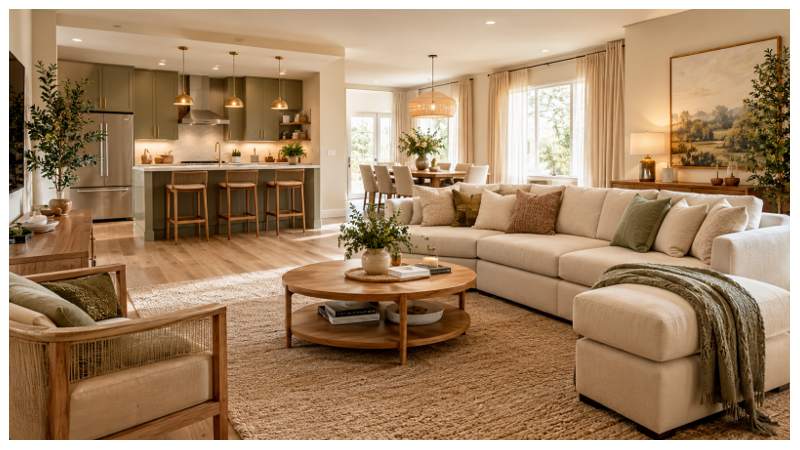
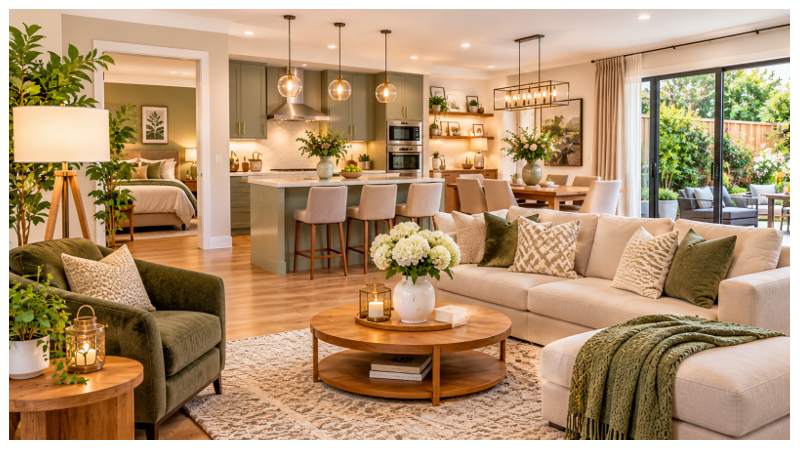
The living room often serves several purposes, including relaxation, entertainment, and social gatherings. Furniture should therefore offer sufficient comfort while supporting the activities that take place there. A well-proportioned sofa, supportive armchairs, and a practical coffee table can establish a useful foundation.
Consider the room’s dimensions before purchasing large pieces. Furniture with simple silhouettes can help maintain an open appearance, while carefully selected upholstery introduces colour and texture. Choose materials that suit your household’s routine, particularly if the space receives frequent use.
Creating an Attractive and Functional Furniture Layout
A successful arrangement allows people to move naturally between different parts of the room. Position seating so that conversation feels comfortable, and avoid blocking windows, doorways, or important walking routes. In larger rooms, a rug or furniture grouping can help distinguish the relaxation area from other activities.
Think about how the television, fireplace, or main window influences the arrangement. Furniture should support the room’s natural focal point instead of competing with it. Even a simple change in positioning can improve circulation and make the entire space feel more balanced.
Decorating Living Spaces With Unique Accessories
Decorative details provide opportunities to express personality without replacing major furnishings. Cushions, ceramic ornaments, framed prints, and textured throws can introduce character to an otherwise simple setting. Select a few complementary pieces rather than filling every available surface.
Varying heights and materials can make displays more interesting. For example, a low decorative bowl beside a taller vase creates a more engaging arrangement. Keep enough empty space around accessories so that individual objects remain noticeable and the room retains a relaxed appearance.
3. Creative Bedroom Ideas for a Relaxing Space
Selecting Colors That Create a Peaceful Atmosphere
Bedroom colours can influence the overall feeling of the space. Muted greens, warm neutrals, gentle blues, and soft earthy shades often create a restful visual environment. These colours can be used across walls, bedding, curtains, and smaller decorative features.
Consider the amount of daylight the room receives before choosing a paint shade. A darker bedroom may benefit from lighter finishes, whereas a bright room can accommodate deeper colours as accents. Testing samples under different lighting conditions helps prevent disappointing results.
Styling Beds With Coordinated Bedding and Textures
The bed usually attracts the most attention in a bedroom, making its presentation especially important. Coordinating sheets, duvet covers, cushions, and throws can give the room a more finished appearance. Instead of matching every item exactly, combine related shades and textures for a layered effect.
Cotton, linen, knitted fabrics, and quilted materials each contribute a different quality. Select bedding according to comfort, seasonal needs, and ease of care. A carefully arranged bed can become an attractive focal point without requiring elaborate decorations.
Making Bedrooms More Organized and Comfortable
An orderly bedroom is easier to maintain when personal belongings have designated places. Bedside drawers, wardrobe organizers, and under-bed containers can reduce visible clutter. Keep frequently used items accessible and move seasonal belongings into less prominent storage areas.
Comfort also depends on practical details. Suitable curtains, convenient bedside lighting, and an appropriate mattress can improve the everyday experience of using the room. Maintain clear walking space around the bed so that movement remains easy and the layout does not feel crowded.
4. Smart Kitchen Ideas for Everyday Convenience
Improving Kitchen Layouts for Better Functionality
Kitchen planning should make cooking, cleaning, and food preparation straightforward. Arrange commonly used areas so that moving between the refrigerator, sink, and cooking surface feels convenient. The available layout will determine how these features can be positioned most effectively.
Work surfaces should remain accessible, with enough room for preparing ingredients and handling everyday appliances. If a kitchen feels congested, removing unnecessary items or changing the position of small equipment may create a noticeable improvement.
Organizing Cabinets, Drawers, and Cooking Essentials
A practical storage arrangement reduces the time spent searching for kitchen supplies. Group similar items together, keeping cooking utensils near the preparation area and frequently used dishes within convenient reach. Drawer dividers can separate smaller accessories, while shelf organizers make better use of cabinet interiors.
Clear containers may help identify dry ingredients quickly, provided they are suitable for food storage. Labeling can also be useful when several similar products are kept together. An organized system should be easy to maintain rather than requiring complicated daily routines.
Adding Decorative Details to Kitchen Counters
Kitchen counters can introduce visual interest when decorated carefully. A small tray containing cooking oil, a neat utensil holder, or a modest vase can create an attractive display. Choose accessories that tolerate the kitchen environment and do not interfere with food preparation.
Keep most of the working surface available for practical tasks. A few coordinated details usually create a cleaner impression than numerous unrelated objects. Natural materials and subtle colours can also complement cabinetry and countertop finishes.
5. Fresh Dining Room Ideas for Modern Homes
Choosing Dining Furniture That Suits Your Space
The dining table should provide enough room for regular use without overwhelming the surrounding area. Measure the available floor space and account for chairs being pulled out before selecting a design. Round tables can work well in certain compact layouts, while rectangular versions may suit longer rooms.
Chair comfort is equally important, particularly when meals extend into conversations or family gatherings. Select furniture that complements the home’s overall style while remaining durable enough for everyday use.
Creating an Inviting Atmosphere With Lighting
Lighting helps establish the mood of a dining area. A pendant positioned above the table can provide a visual centre, while additional wall or ceiling fixtures offer useful background illumination. Choose a fitting that suits the table’s dimensions and does not obstruct views across the room.
Warm-toned lighting often creates a relaxed setting for meals. Where possible, use adjustable lighting so the atmosphere can change between ordinary family dinners and special occasions.
Decorating Dining Tables With Creative Centerpieces
A centerpiece can make the dining table feel more considered without taking away its usefulness. Fresh flowers, a simple ceramic vessel, or a carefully arranged group of candles can provide an attractive finishing detail. Keep the display low enough to allow comfortable conversation.
The arrangement should also leave sufficient room for plates and serving dishes. Changing the centerpiece occasionally offers an easy way to refresh the dining space without purchasing new furniture.
6. Unique Bathroom Ideas for a Stylish Interior
Selecting Modern Fixtures and Attractive Finishes
A bathroom can feel more polished through coordinated fittings and carefully selected surfaces. Contemporary taps, streamlined handles, and a well-designed mirror can give the room a consistent appearance. Neutral tiles and subtle contrasting finishes offer flexibility when choosing accessories.
Durability should remain a priority because bathrooms experience regular moisture and temperature changes. Select appropriate materials and follow product guidance to help maintain their appearance over time.
Creating Practical Storage for Bathroom Essentials
Storage helps prevent toiletries and cleaning products from spreading across the bathroom. Vanity drawers, recessed shelves, and compact cabinets can keep everyday supplies accessible while maintaining a tidy appearance. Use suitable containers to group smaller items together.
Keep frequently needed products within easy reach and store occasional-use supplies separately. A simple arrangement makes cleaning easier and helps the bathroom retain a calm, uncluttered atmosphere.
Using Mirrors and Lighting to Improve the Space
Mirrors provide both practical value and decorative appeal. A well-positioned mirror can reflect available daylight and make a compact bathroom feel more open. Shapes and frames should complement the room’s fittings rather than introduce an unrelated design feature.
Appropriate lighting is important around mirrors and other frequently used areas. Select bathroom-rated fixtures suitable for their installation locations, and use balanced illumination to avoid uncomfortable shadows.
7. Creative Color Combinations for Beautiful Interiors
Choosing a Suitable Base Color for Each Room
A main colour provides the foundation for the room’s overall appearance. Cream, warm white, beige, grey, and muted earthy shades can create flexible backgrounds for different decorating styles. The right choice depends on natural light, existing materials, and the atmosphere you want to establish.
Before painting an entire room, test a small sample on the wall. Colours can appear different throughout the day as sunlight and artificial lighting change.
Introducing Bright Shades Through Accent Details
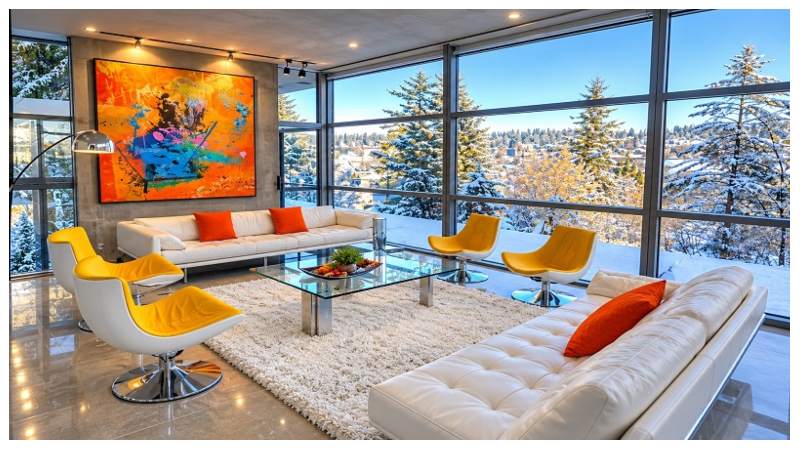
Bold colours can bring energy to a neutral interior when introduced in controlled amounts. Consider using a colourful cushion, decorative artwork, an accent chair, or a patterned rug. These features can provide contrast without requiring a permanent change to the entire room.
Choose accent shades that connect with existing furnishings. Repeating a colour in two or three places can help the room feel coordinated rather than visually scattered.
Combining Different Colors Without Overcrowding Spaces
A balanced palette usually includes a dominant shade, a supporting colour, and a smaller accent. This structure helps prevent too many competing tones from appearing in one area. Textiles, furniture, flooring, and wall finishes should all be considered when developing the combination.
There is no need to use identical colours throughout the property. Instead, create a gentle connection between rooms through related undertones or repeated materials.
8. Furniture Ideas That Make Homes More Functional
Selecting Furniture According to Room Dimensions
Furniture should fit comfortably within its surroundings. Measure doorways, wall lengths, and available floor space before ordering large pieces. A sofa that looks suitable in a showroom may occupy too much room once placed in a smaller living area.
Leave enough clearance for doors, drawers, and everyday movement. Choosing appropriately scaled furniture creates a more comfortable layout and makes the room easier to use.
Using Multifunctional Pieces in Smaller Areas
Furniture with more than one purpose can be particularly useful in homes where storage is limited. Storage ottomans, sofa beds, extendable tables, and beds with built-in compartments provide additional functionality without requiring separate items.
Consider how often each feature will be used before making a purchase. A practical multifunctional piece should be simple to operate and comfortable for its main purpose.
Combining Different Materials and Furniture Styles
Mixing materials adds depth and individuality to interior spaces. Natural wood can soften metal finishes, while glass introduces a lighter visual effect. Upholstered furniture and woven accessories contribute texture and warmth.
For a coordinated result, repeat selected finishes across the room. A consistent colour relationship can connect different furniture styles even when their shapes and materials vary.
9. Innovative Lighting Ideas for Every Room
Combining General, Task, and Decorative Lighting
A comfortable lighting plan uses different sources for different activities. General lighting illuminates the overall room, task lighting supports specific activities, and accent lighting draws attention to selected features.
For example, a living room may combine ceiling fixtures with a reading lamp and subtle shelf lighting. Using these sources together gives greater control over the atmosphere and practical brightness.
Using Modern Fixtures to Enhance Interior Design
Light fittings can function as decorative features as well as sources of illumination. Pendant lights, wall sconces, table lamps, and floor lamps each offer different design possibilities. Select shapes and finishes that complement the furniture and architectural details.
Pay attention to scale when choosing statement fixtures. An oversized fitting may dominate a small room, while a very small fixture can look out of place above a large dining table.
Making Better Use of Natural Sunlight
Daylight can make interiors feel more pleasant and reduce the need for artificial lighting during brighter hours. Keep windows reasonably clear, use suitable curtain fabrics, and avoid placing bulky objects where they unnecessarily block sunlight.
Mirrors and pale wall finishes can help distribute available light around a room. Consider privacy and heat control when selecting window treatments so that brightness does not come at the expense of comfort.
10. Wall Decoration Ideas to Add Personality
Selecting Artwork That Complements Your Interior
Artwork provides an opportunity to introduce personal interests and visual character. Choose pieces that relate to the room’s colour scheme, furniture style, or overall mood. Photography, abstract prints, illustrations, and handmade artwork can all work well.
Consider the size of the wall before selecting a piece. Artwork that is too small may appear disconnected, while an oversized design can overwhelm nearby furnishings.
Designing Creative Gallery Walls
A gallery wall can bring several pictures together into one coordinated display. Combine different frame sizes while maintaining a shared feature, such as a similar colour, subject, or frame finish. Planning the arrangement before hanging anything helps create a balanced result.
Leave consistent spacing between frames and consider how the display relates to nearby furniture. The arrangement should look intentional rather than like unrelated pictures placed together.
Using Decorative Mirrors to Enhance Room Appearance
Mirrors can add depth and reflect attractive parts of an interior. Position one opposite a window or near a source of daylight when practical. Decorative frames can also introduce texture or connect with other finishes in the room.
Choose a size and shape that suit the wall. A carefully placed mirror can become a useful design feature while supporting the room’s sense of openness.
11. Creative Storage Ideas for an Organized Home
Making Better Use of Unused Corners and Wall Space
Unused areas can provide valuable storage opportunities. Narrow wall shelves, corner units, and hooks can accommodate books, accessories, or everyday belongings without occupying large sections of the floor.
Before installing anything, check that the location is suitable and that the fixing method can support the intended weight. Keep stored items arranged neatly so these additions improve rather than complicate the room.
Choosing Attractive Baskets, Shelves, and Cabinets
Storage does not need to look purely functional. Woven baskets, wooden shelves, and well-designed cabinets can contribute to the room’s decoration while keeping belongings contained. Choose finishes that relate to existing furniture and flooring.
Open shelving works best when its contents are arranged thoughtfully. Closed cabinets are often more suitable for items that are frequently used but do not need to remain visible.
Keeping Everyday Items Neatly Arranged
Simple storage habits make a significant difference to household organization. Assign regular places for keys, chargers, paperwork, shoes, and other frequently handled belongings. This reduces unnecessary searching and helps prevent clutter from building up.
A short daily reset can return misplaced items to their proper locations. Consistent habits are generally more effective than occasional, time-consuming organizing sessions.
12. Outdoor and Garden Ideas for Beautiful Spaces
Creating a Welcoming Backyard Sitting Area
A backyard can become a comfortable extension of the home with suitable seating and thoughtful arrangement. Weather-resistant chairs, a small table, and outdoor cushions can establish a pleasant place for relaxing or entertaining.
Consider shade, privacy, and available space before selecting furniture. Even a modest patio can feel inviting when its layout supports comfortable movement and practical use.
Decorating Gardens With Plants and Natural Features
Plants bring colour, texture, and seasonal interest to outdoor spaces. Combine different heights and leaf shapes to create a varied appearance, while choosing varieties appropriate for local conditions and available sunlight.
Natural stone, wooden planters, and decorative gravel can provide additional visual interest. Keep maintenance requirements in mind so the garden remains manageable throughout the year.
Adding Outdoor Lighting for Evening Enjoyment
Outdoor lighting can make patios, pathways, and seating areas more usable after sunset. Wall lights, suitable garden fixtures, and low-level pathway illumination can improve visibility while creating a welcoming atmosphere.
Choose outdoor-rated products designed for exposure to weather. Position lights carefully to avoid glare and ensure that steps and walking routes remain clearly visible.
13. DIY Ideas for Personalized Home Improvements
Creating Handmade Decorations for Interior Spaces
Handmade decorations offer a way to introduce original details into the home. Simple framed artwork, decorative trays, painted pots, and fabric accessories can be created to suit a particular colour scheme or room theme.
Start with manageable projects and choose materials that are appropriate for the intended use. A carefully finished handmade item can feel more meaningful than an accessory selected without much thought.
Giving Old Furniture a Fresh and Modern Appearance
Furniture that has become visually outdated may still have plenty of useful life remaining. Cleaning, sanding, repainting, or replacing handles can give a suitable piece a different appearance. Check its condition before beginning and repair any structural problems first.
Select finishes compatible with the material and follow preparation instructions. The aim should be to improve the furniture’s appearance without reducing its strength or usefulness.
Making Useful Accessories From Reusable Materials
Some household materials can be repurposed into practical decorative objects. Suitable glass containers may become storage vessels, while sturdy wooden boxes can be adapted into organizers. Reuse should always take account of cleanliness, stability, and safety.
Avoid turning damaged or unsuitable materials into items that could create hazards. Thoughtful reuse can reduce waste while giving ordinary objects a new purpose.
14. Budget-Friendly Ideas for Refreshing Your Home
Updating Interior Spaces Without Major Expenses
Refreshing a room does not necessarily require replacing everything. Rearranging existing furniture, cleaning overlooked surfaces, changing curtains, or updating small decorative details can make the space feel noticeably different.
Identify the areas that need attention most before spending money. Focusing on a few meaningful changes often produces a more coherent result than purchasing numerous unrelated accessories.
Choosing Affordable Decorations With Lasting Appeal
Affordable decorations can still offer attractive design and useful durability. Look for simple shapes, versatile colours, and materials that are easy to maintain. Items that can work in more than one room may also provide better long-term value.
Compare quality as well as price. A low-cost accessory that quickly becomes damaged may be less economical than a slightly more durable alternative.
Reusing Existing Items in Creative Ways
Look around your home before deciding what needs to be purchased. A spare side table might become a bedside unit, while an unused basket could provide storage for blankets or magazines. Moving accessories between rooms can also create a fresh arrangement.
Reusing belongings encourages a more thoughtful approach to decorating. It helps reduce unnecessary purchases while making better use of items you already own.
15. Small Home Ideas for Better Space Management
Making Compact Rooms Feel More Spacious
A smaller room can feel more open when its layout allows clear movement and avoids unnecessary visual distractions. Use lighter finishes where appropriate, keep floors reasonably clear, and select decorations that do not overwhelm the available area.
Mirrors, suitable lighting, and well-proportioned furniture can also improve the impression of space. The goal is not to make every room empty but to give each feature enough room to be appreciated.
Selecting Space-Saving Furniture and Accessories
Compact homes benefit from pieces designed to make efficient use of limited floor space. Foldable desks, nesting tables, wall-mounted shelves, and extendable dining furniture can provide flexibility without permanently occupying large areas.
Choose accessories according to actual needs. A practical item should solve a space problem rather than introduce another object that requires storage.
Improving Room Layouts for Easier Movement
A good layout provides convenient routes between furniture and important household areas. Avoid placing large pieces directly in walking paths, and make sure doors and storage units can open comfortably.
Sometimes moving a single piece of furniture can improve the entire arrangement. Test different positions before settling on a layout, paying attention to how the room functions during everyday activities.
16. Modern Technology Ideas for Smarter Homes
Exploring Useful Smart Home Devices
Smart home products can support convenience when selected according to genuine household needs. Connected lighting, smart plugs, security cameras, and compatible thermostats are examples of devices that can help manage certain activities.
Before purchasing equipment, check its compatibility with your existing devices and home network. Review privacy settings and security features, particularly when products collect information or connect to the internet.
Improving Everyday Convenience With Home Automation
Automation can simplify repeated tasks. Depending on the available equipment, lights may operate according to a schedule, or compatible devices may be controlled through a central application. These features can make everyday routines more convenient.
Start with one or two useful functions instead of attempting to automate the entire property immediately. A simple system is often easier to understand, maintain, and expand.
Creating a More Efficient and Connected Living Space
Connected devices work best when they operate reliably together. Consider whether products use compatible platforms and whether their controls are straightforward for everyone in the household. A dependable internet connection may also be necessary for certain functions.
Technology should support comfortable living rather than make ordinary activities complicated. Choose features that offer clear benefits and avoid investing in equipment simply because it appears modern.
17. Creative Ideas for Home Organization
Developing Simple Routines for Daily Tidying
Regular household organization becomes easier when small tasks are completed consistently. Returning items after use, clearing kitchen surfaces, and putting away clothing can prevent minor messes from becoming larger problems.
Create routines that fit naturally into your schedule. A practical system should feel manageable rather than demanding a large amount of extra time.
Organizing Clothes, Accessories, and Personal Belongings
Wardrobes become easier to use when clothing is grouped according to type, season, or frequency of use. Drawer dividers can separate smaller accessories, while suitable hangers help maintain an orderly arrangement.
Review belongings occasionally and identify items that are no longer needed. Keeping only useful or meaningful possessions makes available storage easier to manage.
Creating Practical Storage Systems for Busy Households
A household storage system should reflect how people use different areas. Place frequently needed items close to where they are used, and keep occasional supplies in less accessible locations. Labels can help family members identify where belongings belong.
Consistency is more important than complexity. When everyone understands the arrangement, it becomes easier to maintain order throughout the home.
18. Seasonal Decorating Ideas for a Fresh Look
Updating Interior Colors for Different Seasons
Seasonal colour changes can refresh a familiar interior without requiring permanent alterations. Lighter shades may create a fresh atmosphere during warmer months, while richer earthy tones can introduce a sense of warmth when the weather becomes cooler.
Use removable accessories to make these adjustments. Cushions, table decorations, and small fabric details provide flexibility without the expense of repainting rooms.
Refreshing Rooms With Cushions, Throws, and Accessories
Textiles are among the easiest features to update. Replacing cushion covers, changing a throw, or introducing a different rug can give a room a new character. Choose fabrics according to comfort, climate, and maintenance requirements.
A few coordinated changes are usually enough. Keeping the main furniture and larger finishes consistent allows seasonal accessories to stand out without making the room feel unsettled.
Decorating for Special Occasions Without Overspending
Celebrations can be marked with simple decorations that suit the occasion and existing interior. A carefully arranged table, fresh flowers, reusable ornaments, or coordinated lighting can create a welcoming atmosphere.
Plan decorations around items you already own whenever possible. Reusable accessories reduce waste and make it easier to prepare for future gatherings without repeatedly purchasing new supplies.
19. Common Home Improvement Mistakes to Avoid
Starting Projects Without Proper Planning
Beginning a project without checking measurements, materials, or costs can lead to unnecessary delays. Before making changes, identify the intended result, establish a realistic budget, and consider how the work will affect daily household activities.
For larger renovations, seek suitable professional advice where structural, electrical, or plumbing work is involved. Careful preparation helps prevent avoidable problems and supports better decisions.
Choosing Decorations That Do Not Suit the Space
An attractive item may not work well in every interior. Oversized accessories can dominate compact rooms, while unrelated colours and finishes may make a carefully furnished space feel inconsistent.
Consider the room’s proportions and existing design before introducing something new. Every addition should contribute to the overall arrangement rather than compete with it.
Overlooking Comfort, Lighting, and Practical Needs
A home can look impressive while remaining inconvenient to use if practical details are ignored. Insufficient lighting, uncomfortable seating, limited storage, and restricted walking routes can affect everyday satisfaction.
Evaluate each room according to the activities it supports. Prioritizing comfort and functionality alongside appearance creates spaces that remain enjoyable long after the decorating work is finished.
20. Final Thoughts on Using Creative Ideas at Home
Choosing Ideas That Match Your Lifestyle
The most useful home improvements are those that reflect the needs and habits of the people living there. A family with children may require durable furnishings and accessible storage, while someone working from home might benefit from a quiet, well-organized workspace.
Consider your daily routine before following a decorating trend. A design becomes more valuable when it makes your own surroundings easier and more pleasant to use.
Maintaining a Balance Between Appearance and Function
Beautiful interiors depend on more than colour schemes and decorative objects. Comfortable furniture, suitable lighting, sensible storage, and durable materials all contribute to a successful environment. Each decision should support the room’s appearance without reducing its usefulness.
Avoid adding features simply to fill empty areas. A carefully selected detail can have greater impact than a collection of unnecessary decorations.
Making Meaningful Improvements One Space at a Time
There is no need to update the entire property at once. Begin with the room that would benefit most from attention, identify its main challenges, and make changes gradually. This approach makes it easier to manage costs, evaluate results, and maintain a consistent standard throughout the home.
Coolideas Thehometrotters Com: Creative Ideas for Modern Living is ultimately about making thoughtful choices that bring greater comfort, personality, and practicality into everyday surroundings. Whether you are reorganizing a kitchen, refreshing a bedroom, improving a garden, or introducing useful technology, meaningful results come from understanding what your home needs and choosing improvements that genuinely serve those needs.