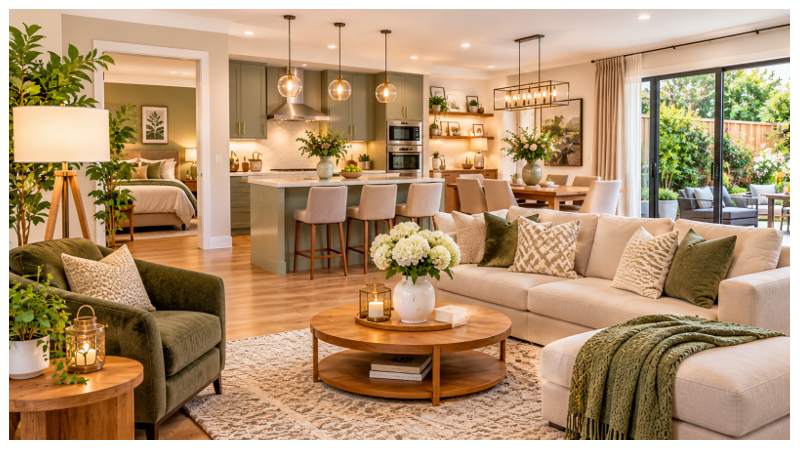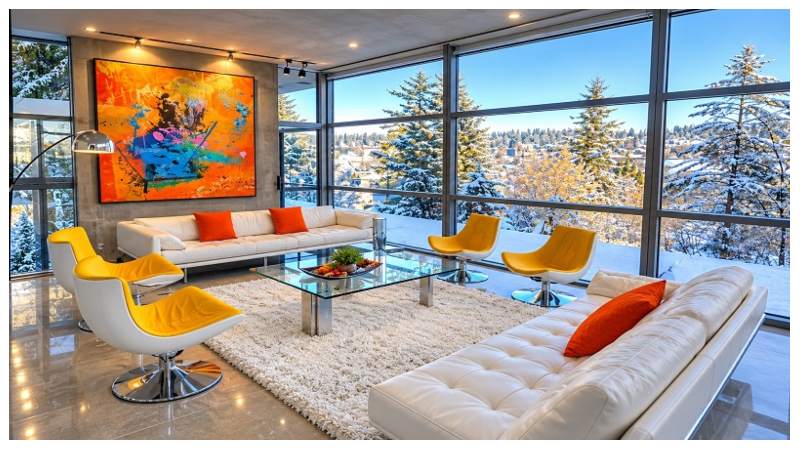
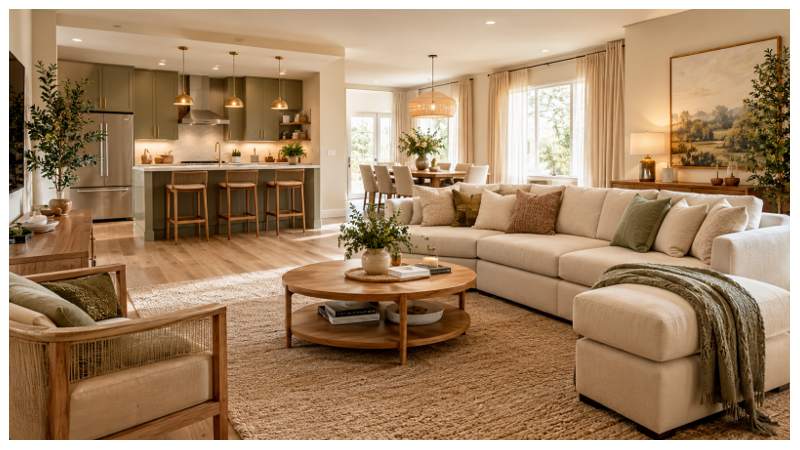
A thoughtfully decorated home is not defined by expensive furniture or perfectly matched accessories. Its beauty comes from the way colors, textures, lighting, and personal belongings work together to create an inviting environment. Even an ordinary room can feel distinctive when its layout supports everyday activities and its decorative details reflect the people who live there.
Thehometrotters .com Home Decor Ideas explores practical ways to improve different areas of your home without making decorating unnecessarily complicated. Whether you want to refresh a living room, organize a small bedroom, update kitchen details, or introduce a more contemporary appearance, simple design decisions can produce noticeable improvements. By combining creativity with comfort and functionality, you can build an interior that feels attractive, organized, and suited to your lifestyle.
1. Understanding the Basics of Home Decor
Home decoration involves more than choosing attractive objects. It requires understanding how furniture, colors, lighting, materials, and available space interact. When these elements are selected with a clear purpose, the result feels balanced rather than overcrowded.
Essential Elements of Beautiful Home Decoration
Begin with the room’s main features, including its walls, flooring, windows, and existing furniture. These elements establish the foundation for the decorative choices that follow. Introduce complementary colors, suitable textiles, and a few meaningful accessories to develop a coordinated appearance. Repeating selected finishes throughout the room can help everything feel connected.
Balancing Style, Comfort, and Practicality
A beautiful interior should remain convenient to use. Choose seating that provides proper support, surfaces that are easy to maintain, and storage that accommodates everyday belongings. Leave enough room to move between furniture pieces, and avoid decorative arrangements that interfere with normal activities. The best decorating decisions improve both appearance and daily comfort.
Finding a Decorating Style That Suits Your Home
Explore styles such as contemporary, Scandinavian, rustic, traditional, or minimalist design. Instead of replicating a complete room exactly as it appears in an inspiration photo, pinpoint the design elements that capture your interest and adapt them to suit your own space and personal style.. Perhaps you prefer natural wood, soft colors, bold artwork, or simple furniture. Combining a few compatible influences can create a personal style that feels authentic and remains practical.
2. Thehometrotters .com Home Decor Ideas for Living Rooms
The living room often accommodates relaxation, conversation, entertainment, and family gatherings. Its decoration should create a welcoming atmosphere while allowing these activities to happen comfortably. A clear furniture arrangement and carefully selected accents can make a considerable difference.
Choosing Comfortable and Stylish Living Room Furniture
Select a sofa according to the room’s dimensions and the number of people who regularly use it. Add occasional chairs, side tables, or a coffee table when sufficient space is available. Upholstery should suit your household’s cleaning needs and everyday habits. Cushions and throws can introduce fresh colors or textures without requiring new furniture.
Arranging Furniture for a Welcoming Layout
Identify the main focal point before positioning the seating. This might be a window, fireplace, television, or attractive feature wall. Arrange chairs and sofas to encourage conversation while keeping walkways unobstructed. In an open-plan home, a properly sized rug can distinguish the lounge area from nearby dining or kitchen spaces.
Adding Decorative Accessories Without Creating Clutter
Decorative objects should contribute character rather than simply occupy empty surfaces. A distinctive vase, framed photograph, sculptural ornament, or table lamp can provide sufficient interest. Group a few related items together and leave some surfaces clear. This creates a more deliberate appearance and makes routine cleaning easier.
3. Transforming Your Bedroom Into a Warm and Restful Sanctuary
The bedroom should feel calm, comfortable, and personal. Its decoration benefits from soothing colors, pleasant fabrics, thoughtful lighting, and storage that keeps everyday possessions organized.
Selecting Relaxing Colors for Bedroom Walls
Soft beige, warm white, muted green, and dusty blue can create a peaceful atmosphere. If you enjoy stronger colors, introduce them through a headboard, artwork, or accent wall. Test paint samples under daylight and artificial lighting before choosing a final shade, as the surrounding light can significantly change its appearance.
Styling Beds With Beautiful Bedding and Cushions
Create a comfortable bed using quality sheets, a suitable duvet or quilt, and a small selection of coordinated cushions. Combine different fabric textures to add depth without relying on complicated patterns. Choose materials that suit the climate and are easy to wash. A simple arrangement that can be maintained each morning is often more useful than elaborate styling.
Making Small Bedrooms Feel Comfortable and Organized
Use under-bed storage, wardrobe organizers, and wall-mounted shelves to reduce the need for bulky furniture. Bedside tables with drawers can conceal personal belongings, while hooks can provide convenient space for bags or clothing. Maintain an unobstructed space around the bed to ensure comfortable movement and make the bedroom feel more open and accessible.
4. Creative Kitchen Decor Ideas
Kitchen decoration should support cooking, cleaning, and storage while maintaining an attractive appearance. Durable finishes and organized work areas make the room more convenient without sacrificing style.
Choosing Attractive Cabinets and Countertop Finishes
Streamlined cabinet designs with crisp edges give the kitchen a sophisticated, modern character, while natural timber introduces an inviting warmth and pale shades such as white, ivory, or muted beige help the space appear more luminous and spacious. When selecting countertops, compare durability, maintenance requirements, appearance, and cost. Choose a combination that suits both your budget and cooking habits.
Organizing Kitchen Essentials for Everyday Use
Arrange utensils, cookware, pantry supplies, and cleaning products according to their purpose. Drawer dividers, shelf organizers, and coordinated containers can make items easier to find. Keep frequently used ingredients and tools accessible, while storing occasional-use appliances away from the main preparation area.
Decorating Countertops With Simple Accessories
Preserve enough clear space for preparing food. A fruit bowl, attractive utensil holder, or small tray can add personality without overcrowding the countertop. Select accessories that are easy to move and clean, especially near the stove and sink where spills and grease may collect.
5. Dining Room Decoration Ideas for Modern Homes
A well-designed dining space should offer a relaxed setting for daily family gatherings while providing an elegant atmosphere for celebrations and memorable occasions. Suitable furniture, balanced lighting, and restrained decoration can establish a welcoming setting.
Selecting a Dining Table That Fits Your Space
Measure the room before selecting a table. Round designs can work well in compact areas, while rectangular tables may suit longer rooms. Consider the number of people who regularly use the space and allow enough clearance for chairs to move without hitting walls or other furniture.
Using Lighting to Create an Inviting Dining Area
A pendant light or chandelier can draw attention to the dining table. Choose a fixture that matches the table’s proportions and provides comfortable illumination. Dimmable lighting can help adapt the atmosphere for family meals, evening conversations, or celebrations.
Decorating Dining Tables With Elegant Centerpieces
A ceramic bowl, low floral arrangement, or simple vase can complete the table’s appearance. Keep the centerpiece low enough to allow easy conversation. Select decorations that can be removed quickly when the table is needed for serving food or other activities.
6. Bathroom Decor Ideas for a Fresh Appearance
A well-decorated bathroom combines a clean visual style with practical storage and materials suited to moisture. Even small changes can help the space feel more orderly and comfortable.
Choosing Modern Bathroom Colors and Finishes
Soft neutrals, subtle stone patterns, and restrained tile designs can create a fresh appearance. Contemporary taps, coordinated handles, and a well-chosen mirror can improve the overall look without requiring extensive renovation. Prioritize water resistance and easy maintenance when choosing finishes.
Organizing Toiletries With Practical Storage Solutions
Use drawers, cabinets, narrow shelves, or coordinated containers to keep toiletries in order. Place frequently used products within convenient reach and store occasional-use items elsewhere. Ensure that storage does not obstruct movement or interfere with ventilation.
Adding Mirrors and Accessories for a Polished Look
A suitable mirror can reflect light and create a greater sense of depth. Matching towels, a simple soap dispenser, and a coordinated bath mat can provide a finished appearance. Keep accessories limited enough that the bathroom remains easy to clean and use.
7. Choosing the Right Color Palette for Your Home
Color influences the atmosphere of a room and determines how different decorative elements relate to one another. A considered palette helps create visual continuity while allowing each room to maintain its own character.
Using Neutral Colors for a Timeless Interior
Cream, beige, warm white, and soft gray provide flexible backgrounds for different furniture styles. They work well with natural wood, textured fabrics, and many accent colors. Neutral walls also make it easier to update a room by changing smaller decorative details.
Adding Bold Shades Through Decorative Accents
Introduce stronger colors through artwork, cushions, lamps, rugs, or an accent chair. This approach lets you experiment without committing to a permanent change across the entire room. Select one or two accent shades that complement the existing palette.
Combining Colors for a Coordinated Home Design
Choose a few colors that work well together and repeat them in different rooms. For example, warm wood, muted green, and cream might appear in living room cushions, kitchen accessories, and bedroom textiles. The repetition creates a connected appearance without making every room identical.
8. Furniture and Layout Ideas for Stylish Interiors
Furniture affects how a room looks and functions. Carefully chosen pieces can improve comfort, make movement easier, and help available space serve its intended purpose.
Selecting Furniture That Matches Your Room Size
Measure the room, doorways, and furniture before purchasing anything. Consider the space required to open drawers, move chairs, and walk comfortably. A well-proportioned piece can look more elegant than oversized furniture that dominates the room.
Using Multifunctional Furniture in Everyday Spaces
Storage ottomans, extendable dining tables, nesting tables, and beds with drawers provide additional functionality without requiring extra floor space. These options are particularly useful in apartments and smaller homes where each piece needs to serve a clear purpose.
Mixing Different Materials for Visual Interest
Wood, glass, metal, stone, and fabric each bring a different quality to an interior. Wood introduces warmth, glass offers visual lightness, and metal can provide definition. Combine a few compatible materials and repeat selected finishes to keep the design cohesive.
9. Home Lighting Ideas That Transform Interior Spaces
Lighting affects both the appearance and usefulness of a room. A thoughtful combination of daylight and artificial light can make interiors more adaptable throughout the day.
Combining Ambient, Task, and Accent Lighting
Ambient lighting illuminates the general space, task lighting supports activities such as reading or cooking, and accent lighting highlights artwork or architectural features. Using these layers together provides flexibility and creates more visual depth than relying on a single ceiling fixture.
Choosing Pendant Lights, Floor Lamps, and Wall Fixtures
Pendant lights can define dining areas, while floor lamps can brighten reading corners. Wall fixtures provide illumination without taking up table space. Choose designs that suit the room’s dimensions and provide appropriate light for the intended activity.
Making the Most of Natural Daylight
Keep windows reasonably clear and choose curtains or blinds that balance privacy with daylight. Position seating or work areas near windows where practical. Mirrors can also reflect light into darker parts of a room when placed thoughtfully.
10. Wall Decor Ideas to Personalize Your Home
Walls provide valuable opportunities to introduce color, creativity, and personal meaning. Carefully selected artwork and decorative arrangements can give a room character without occupying floor space.
Choosing Artwork That Complements Your Interior
Choose artwork that relates to the room’s colors, proportions, and atmosphere. A large print can create a focal point above a sofa, while smaller pieces may suit a hallway or bedroom. Select images that appeal to you personally rather than following trends alone.
Creating a Beautiful Gallery Wall
Combine photographs, illustrations, and prints using coordinated frames or a recurring accent color. Plan the arrangement on the floor before hanging the pieces to check spacing and balance. A little preparation helps the finished display feel intentional.
Using Mirrors to Enhance Light and Space
Place mirrors where they can reflect daylight, an attractive view, or an appealing architectural feature. A large mirror can make a narrow hallway feel more open. Avoid positioning one where it mainly reflects clutter or an awkward part of the room.
11. Textures and Fabrics for Attractive Home Decor
Texture brings depth to interiors, particularly when the color scheme is restrained. A thoughtful mixture of hard and soft surfaces can make a room feel layered and comfortable.
Combining Wood, Metal, Glass, and Fabric
Combine natural wood with metal fixtures, glass accessories, or soft upholstery to create contrast. Each material should complement the others rather than compete for attention. Repeating selected finishes helps the overall arrangement feel connected.
Using Rugs, Curtains, and Cushions to Add Warmth
Rugs can define seating areas, curtains soften windows, and cushions introduce additional color. Select materials that suit the room’s use and cleaning requirements. Properly sized textiles can make a space feel more complete without adding unnecessary furniture.
Creating Contrast With Different Textures and Finishes
Pair smooth surfaces with woven fabrics or matte finishes with subtle shine. These differences create visual interest without requiring many colors or accessories. A restrained combination often looks more refined than an assortment of unrelated textures.
12. Natural Decor Ideas for a Fresh Interior
Natural details can make a home feel more relaxed and connected to the outdoors. Plants, wood, stone-inspired surfaces, and woven materials introduce organic variation into contemporary spaces.
Decorating Rooms With Indoor Plants
Choose plants according to available light, humidity, and your ability to care for them. Position them where they can grow without blocking walkways or crowding important surfaces. A few suitable plants can provide freshness without creating additional maintenance burdens.
Adding Natural Wood and Stone Accessories
Wooden trays, ceramic vessels, stone details, and woven baskets can introduce natural character. Select pieces that complement your furniture and color scheme. Repeating a small number of natural materials creates a more harmonious appearance.
Bringing Outdoor Inspiration Into Your Home
Where possible, arrange furniture to take advantage of garden views or outdoor scenery. Keep windows visually open and choose window treatments that provide the necessary privacy. Colors inspired by surrounding trees, stone, or landscape can also strengthen the connection between indoor and outdoor spaces.
13. Smart Storage Ideas for an Organized Home
Effective storage helps belongings remain accessible without allowing them to dominate the room’s appearance. A clear organization system also makes everyday routines easier.
Making Better Use of Vertical Wall Space
Tall shelving, wall-mounted organizers, and high cabinets can increase storage capacity while preserving floor space. Place frequently used items within easy reach and reserve higher shelves for objects used occasionally.
Choosing Stylish Cabinets, Baskets, and Storage Furniture
Baskets can hold smaller belongings, cabinets can conceal household supplies, and storage benches can provide both seating and organization. Select pieces that complement the room’s finishes and suit the items they need to contain.
Keeping Everyday Belongings Neatly Arranged
Give keys, mail, chargers, bags, and other frequently misplaced items a designated place. A small entryway tray or drawer organizer can prevent clutter from spreading. Returning belongings to their proper locations helps maintain order over time.
14. Small Home Decor Ideas for Limited Spaces
Small rooms can feel attractive and functional when the layout supports movement and each item has a purpose. Thoughtful choices help maximize the available space without making the interior feel crowded.
Making Compact Rooms Feel More Open
Avoid placing oversized furniture in narrow areas or blocking important walkways. Use clear sightlines, appropriately sized furnishings, and uncluttered arrangements to make the room easier to navigate.
Choosing Space-Saving Furniture and Accessories
Foldable desks, nesting tables, wall-mounted shelves, and extendable dining tables provide flexibility. Choose pieces that address real needs rather than purchasing extra features that are unlikely to be used.
Using Mirrors and Lighting to Create a Spacious Look
Light wall colors can help a compact room feel brighter, while mirrors can reflect daylight and create visual depth. Combine these features with suitable lamps and clear surfaces to make the most of the room.
15. Budget-Friendly Home Decor Ideas
Improving your interior does not always require a major renovation or a completely new furniture collection. Reorganizing existing belongings and focusing on visible improvements can produce a meaningful change.
Refreshing Your Home Without Expensive Renovations
Rearrange furniture, restyle shelves, remove unnecessary objects, or move accessories between rooms. These adjustments can change the atmosphere without adding significant costs. Begin with areas that feel inconvenient or visually outdated.
Updating Old Furniture With Simple Changes
Replacing cabinet handles, refreshing cushion covers, or updating a lampshade can give familiar furnishings a new appearance. Inspect older pieces before replacing them, as simple repairs or cosmetic improvements may extend their usefulness.
Using Paint and Accessories for an Affordable Makeover
A carefully selected wall color can refresh an interior and change how existing furniture looks. Complement the new shade with suitable curtains, artwork, or cushions. Prepare surfaces properly and test paint samples before committing to a complete wall.
16. DIY Home Decor Ideas for Creative Interiors
Do-it-yourself projects provide opportunities to create distinctive details that suit your preferences. Choose projects that match your skills, available tools, and budget.
Creating Handmade Wall Art and Decorative Pieces
Make abstract artwork, frame personal photographs, or arrange prints in coordinated frames. Select colors that work with the room while allowing your creative choices to stand out. Handmade pieces can add character without requiring expensive purchases.
Repurposing Old Furniture for a Fresh Appearance
An older table, chair, or cabinet may become useful again after cleaning, suitable sanding, repainting, or replacing its hardware. Check the item’s condition and choose products designed for the material. Follow product instructions and use appropriate protective equipment when working with tools or finishes.
Making Personalized Accessories for Your Home
Create decorative trays, customized storage boxes, or handmade ornaments for shelves and tabletops. Choose materials that complement your existing interior. Keep each project appropriately sized and useful so the finished item contributes to the room instead of becoming unnecessary clutter.
17. Minimalist Home Decor Ideas for Modern Living
Minimalist decoration focuses on deliberate choices rather than removing every sign of personality. A simple interior can still feel inviting when comfort, texture, and meaningful details are included.
Keeping Decorations Simple and Meaningful
Display objects that serve a purpose, carry personal significance, or genuinely improve the room’s appearance. Store, donate, or recycle belongings that no longer meet your needs. This makes it easier to appreciate the items you decide to keep.
Creating Clean and Uncluttered Spaces
Avoid filling every shelf, wall, or corner. Leave breathing room around furniture and decorative pieces so that the most important elements remain visible. Concealed storage can keep daily necessities accessible without leaving everything on display.
Adding Warmth to Minimalist Interiors
Natural wood, soft textiles, comfortable seating, greenery, and warm lighting can prevent a simple room from feeling cold. A few carefully chosen materials introduce depth while preserving the clean character of minimalist design.
18. Seasonal Home Decor Ideas for Every Occasion
Seasonal decorating allows you to refresh your surroundings throughout the year without changing the entire interior. Small updates can create a new atmosphere while maintaining the home’s overall style.
Refreshing Interiors With Seasonal Colors
Use lighter fabrics and fresh accent colors when you want a brighter appearance. During cooler months, introduce deeper shades and richer textures. Select colors that work with your existing furniture so seasonal changes remain easy to coordinate.
Updating Cushions, Throws, and Decorative Accessories
Changing cushion covers, throws, table linens, or small ornaments can give a familiar room a different mood. Store seasonal pieces neatly when they are not needed to avoid creating unnecessary clutter.
Decorating Your Home Without Overspending
Reuse existing accessories in new arrangements and move decorative pieces between rooms. A vase displayed on a dining table may look completely different on a hallway console. Focus on small, visible adjustments rather than buying a whole new collection.
19. Common Home Decorating Mistakes to Avoid
A room can contain attractive furniture and accessories yet still feel uncomfortable if its layout or practical needs have been overlooked. Avoiding common mistakes can save money and improve the finished interior.
Choosing Furniture Without Measuring Your Space
Check furniture dimensions before making a purchase. Consider doorways, walking routes, cupboard openings, and the space required to move chairs. A piece that technically fits may still make the room difficult to use if surrounding clearance is insufficient.
Overusing Colors and Decorative Accessories
Too many competing colors and unrelated accessories can make an interior feel unsettled. Establish a main palette and introduce a limited selection of accent shades. Allow a few pieces to become focal points rather than making every object compete for attention.
Ignoring Lighting, Comfort, and Storage Needs
An attractive room may still be inconvenient if it lacks suitable task lighting, useful storage, or comfortable seating. Consider how the room will be used at different times of day before finalizing its arrangement. Practical planning helps the interior remain enjoyable long after the initial makeover.
20. Final Tips for Creating a Beautiful Home
Creating an attractive home is an ongoing process rather than a single decorating project. Begin with the features you already like, identify what needs improvement, and make changes that suit your household and budget.
Developing a Consistent Decorating Theme
Choose recurring colors, materials, and decorative details that connect different rooms. A consistent theme creates a sense of flow while allowing each space to serve its own purpose. Repeat selected finishes naturally rather than making every room look identical.
Combining Personal Taste With Practical Design
Let your preferences guide your choices, but consider comfort, maintenance, storage, and everyday routines as well. Meaningful artwork, suitable furniture, and thoughtfully chosen accessories can make your home distinctive while preserving its functionality.
Improving Your Home One Room at a Time
Start with the room that needs the most attention. Set a realistic budget, measure the space, and identify the improvements that will make the greatest difference. Complete manageable changes before moving to another area, allowing you to assess the results and avoid unnecessary purchases.
A beautiful home grows from thoughtful decisions, not simply from expensive decorations. By combining suitable furniture, coordinated colors, effective lighting, natural textures, and smart storage, you can create spaces that feel welcoming and support everyday life. Thehometrotters .com Home Decor Ideas offers inspiration for approaching each room with creativity and purpose, helping you develop an interior that reflects your taste and makes the most of your home.